Deep Carbon Observatory finds massive subterranean biosphere

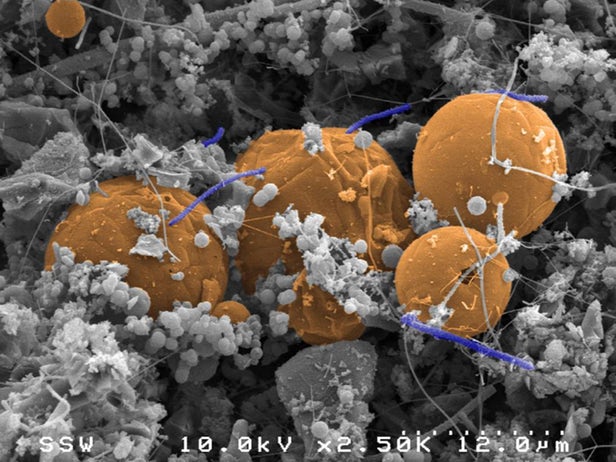
Despite extreme heat, no light, minuscule nutrition and intense pressure, scientists estimate this subterranean biosphere is teeming with between 15bn and 23bn tonnes of micro-organisms, hundreds of times the combined weight of every human on the planet.

Researchers at the Deep Carbon Observatory say the diversity of underworld species bears comparison to the Amazon or the Galápagos Islands, but unlike those places the environment is still largely pristine because people have yet to probe most of the subsurface.


The Prison-To-Farm Pipeline

How Atlanta Is Turning Ex-Cons Into Urban Farmers
In Atlanta, an ambitious activist hopes teaching young people farming skills will break the cycle of incarceration. …
The “vision brings together two important facets of the modern urban revival—the locavore food movement that has become a fixture of gentrifying cities across the country, and an awakening recognition that gentrification was leaving behind, or even displacing, a significant portion of the population. Simultaneously, Gangstas to Growers also teaches young people the importance of building wealth in historically disinvested communities in Atlanta. Despite Atlanta’s reputation as a Black Mecca, the city’s low-income children have less of a shot to move up the income ladder compared with other major American cities.”


These “Karatsu-Yaki” Teacups and Saucers are Edible Rice Cakes

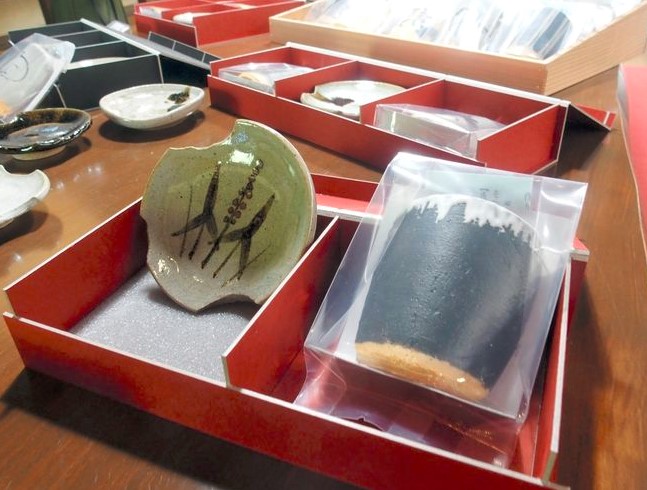
One evening, Tsurumaru, 46, was imbibing and admiring his Karatsu-yaki sake set when he noticed that an unglazed section at the base of the ceramics had the appearance of senbei dough.

He decided there and then to try his hand at making senbei that looked the same as Karatsu-yaki as he had never heard of them being inspired by traditional pottery.


Tourists going crackers over pottery studio?s edible ?teacups??The Asahi Shimbun

Souvenir hunters looking for something different now have an item they can really sink their teeth into: rice crackers designed as delicate porcelain teacups.

At first glance, one wouldn’t expect the “Karatsu-yaki tohen senbei” to be edible, given that they look like prized Karatsu-yaki tableware.

Perhaps just as odd is that they are sold at Nakazato Tarouemon Tobo, a famed Karatsu-yaki pottery studio founded here more than four centuries ago.

The studio commissioned confectionery maker and wholesaler Tsurumaru to learn the molding and painting techniques for Karatsu-yaki pottery to create the special rice crackers.

The senbei are displayed near the entrance to the studio, each priced at 300 yen ($2.60), along with dainty “mamezara” small plates. The crackers are based on four representative patterns of Karatsu-yaki, including plant-themed “e-Karatsu” and “Chosen-Karatsu” (Korean Karatsu), which features rice-straw ash and iron-based glazes in perfect harmony.

Header image: Koichi Anzai
In the future, there are ‘Better Worlds’


Better Worlds is partly inspired by Stephenson’s fiction anthology Hieroglyph: Stories and Visions for a Better Future as well as Octavia’s Brood: Science Fiction Stories from Social Justice Movements, a 2015 “visionary fiction” anthology that is written by a diverse array of social activists and edited by Walidah Imarisha and adrienne maree brown. Their premise was simple: whenever we imagine a more equitable, sustainable, or humane world, we are producing speculative fiction, and this creates a “vital space” that is essential to forward progress.

The stories of Better Worlds are not intended to be conflict-free utopias or Pollyanna-ish paeans about how tech will solve everything; many are set in societies where people face challenges, sometimes life-threatening ones. But all of them imagine worlds where technology has made life better and not worse, and characters find a throughline of hope. We hope these stories will offer you the same: inspiration, optimism, or, at the very least, a brief reprieve that makes you feel a little bit better about what awaits us in the future — if we find the will to make it so. 

More: https://www.theverge.com/2018/12/5/18055980/better-worlds-science-fiction-short-stories-video


The Station Agent Who Greets 4000 People A Day

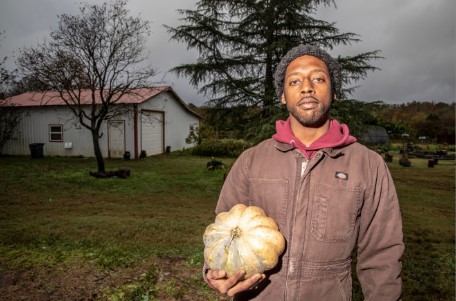
William Cromartie is a Bay Area Rapid Transit (BART) station agent who finds meaning through the simple act of saying hello. Every day, William greets 4,000 Oakland commuters—fist-bumping, shaking hands, and hugging people from all walks of life. The UC Berkeley graduate and former entrepreneur thinks it’s the best job in the world.

In Agent of Connection, a short documentary by Ivan Cash, Cromartie shares his inspiring philosophy, which is predicated on the act of transcending personal barriers and promoting agency.

“If you’re in a corner, or in a box, it’s not necessarily because someone put you there,” Cromartie says in the film. “It’s because you’ve agreed to be in that box. Once you realize that you’re responsible, everything starts to change. When I see people who feel like they don’t belong, I feel responsible to show them that they do.”


These Scientists Have Discovered How To Use Electricity To Make Protein From CO2


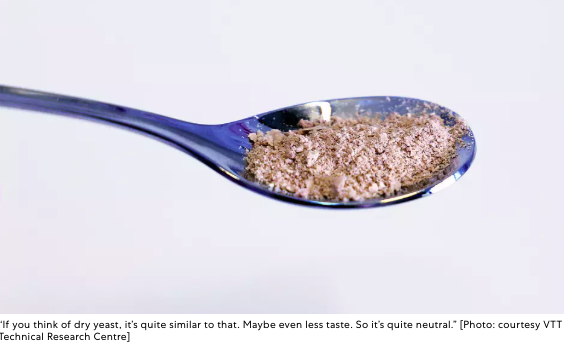
In a lab in Finland, inside tiny lab equipment roughly the size of coffee cups, researchers are turning CO2 into food. The process–which can run on renewable energy, and requires only a small amount of water and nutrients–could eventually be used in a home appliance to make protein at home, or a production facility in a desert that could supply nutrition in the middle of a famine.

https://www.fastcompany.com/40446692/these-scientists-have-discovered-how-to-use-electricity-to-make-protein-from-co2

Making graphene out of wood for degradable electronics


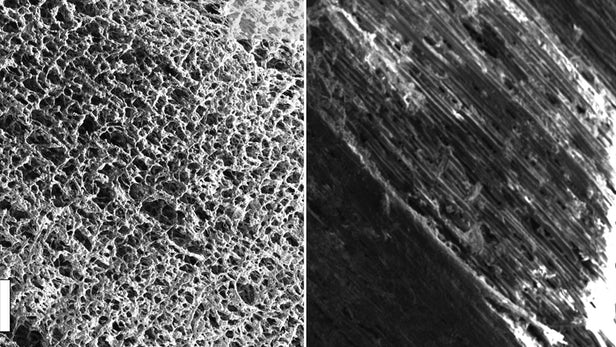
It seems like there’s a new graphene breakthrough coming out of the James Tour lab at Rice University almost every month. Over the last few years, the researchers are responsible for developing a graphene-based de-icing coat for plane wings, a carbon material that can filter radionuclides out of water, and using graphene nanotubes to build better batteries. Now, the team has managed to make graphene out of wood, by blasting a piece of pine with a laser beam.

https://newatlas.com/laser-wood-graphene/50705/