Exoplanets are planets that lie beyond our own solar system and revolve around other stars many light years away. In the past two decades, thousands have been discovered, most of them with NASA’s Kepler Space Telescope. Many of these planets take the namesake of this telescope – the Kepler-10b was one of the first confirmed terrestrial planets to be discovered outside of our solar system. It is incredibly close to its star the Kepler 10. The discovery of this planet excited scientists as it was the first confirmation of an exoplanet.
The leather industry’s environmental impact
Places Are Using Drones Instead of Fireworks on the 4th of July
Frome: The town that’s found a potent cure for illness – community
Yemeni Teen Transforms Cardboard Into Machines
Worlds Oldest Living Inhabitant
The hunt for meteorites under the sea
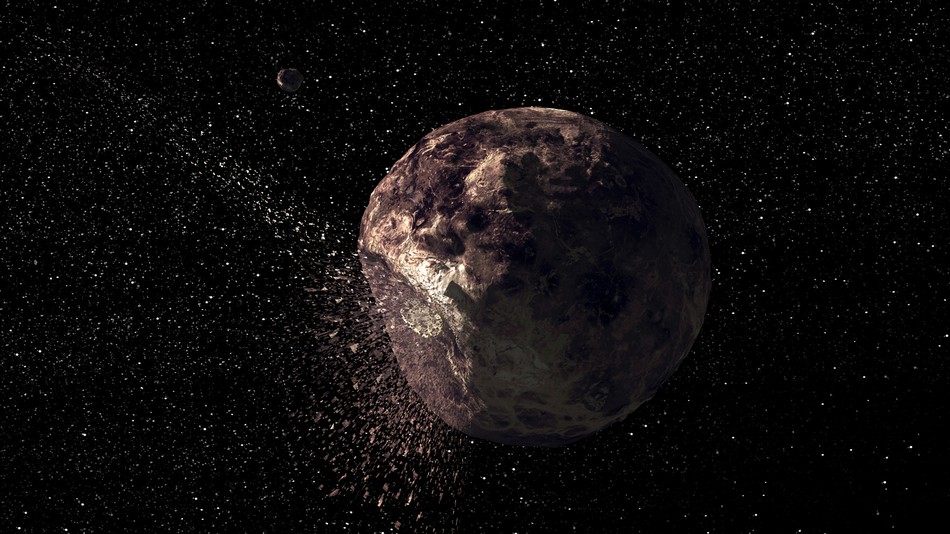

On March 7, 2018, NASA planetary scientist Marc Fries watched on a weather radar as meteorites plunged into the Pacific Ocean. Four months later, on July 2, Fries and a group of marine researchers plan to pull these meteorites — chunks of primordial space rocks — out of the sea. No one has ever retrieved a meteorite from the ocean before, he said. But the effort is well worth it. These particular space rocks, he said, are different. “This one is special,” said Fries, in an interview. “This one is tougher than your typical meteor.”

Scientists are scrabbling to find the valuable rocks before they are degraded by sea water.
New Exoplanet Spotted Forming
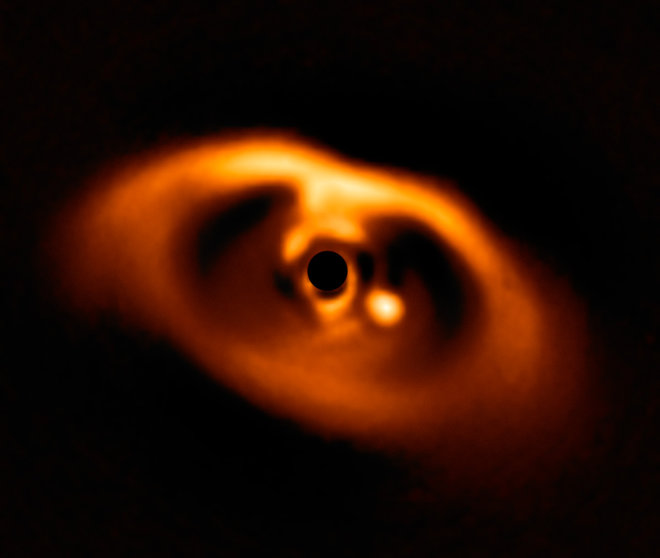
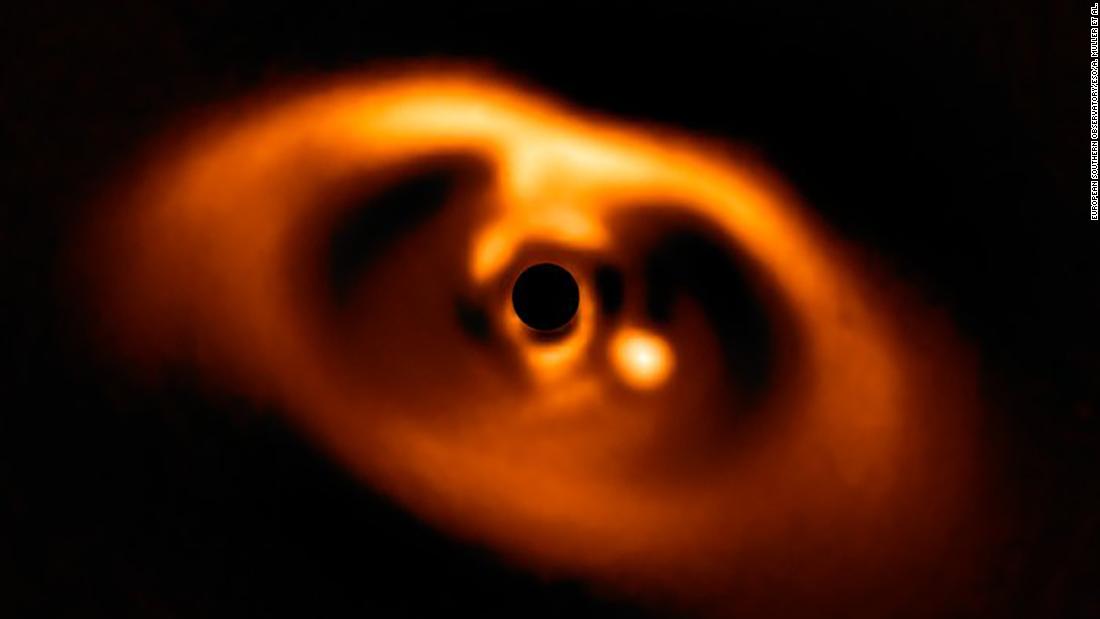
A planet-hunting instrument has captured the first confirmed image of a newborn planet that’s still forming in our galaxy.
A stunning, first-of-its-kind photo shows a giant alien world taking shape in the disk of gas and dust surrounding a young star.
Turning Garbage Into Energy
A Galaxy Full of Exomoons
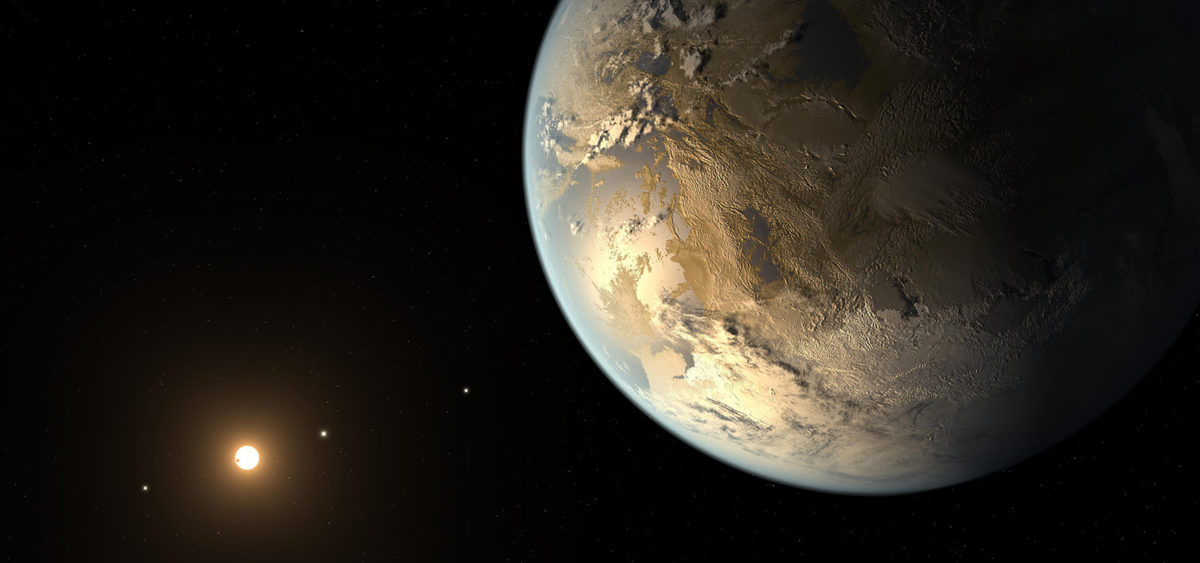
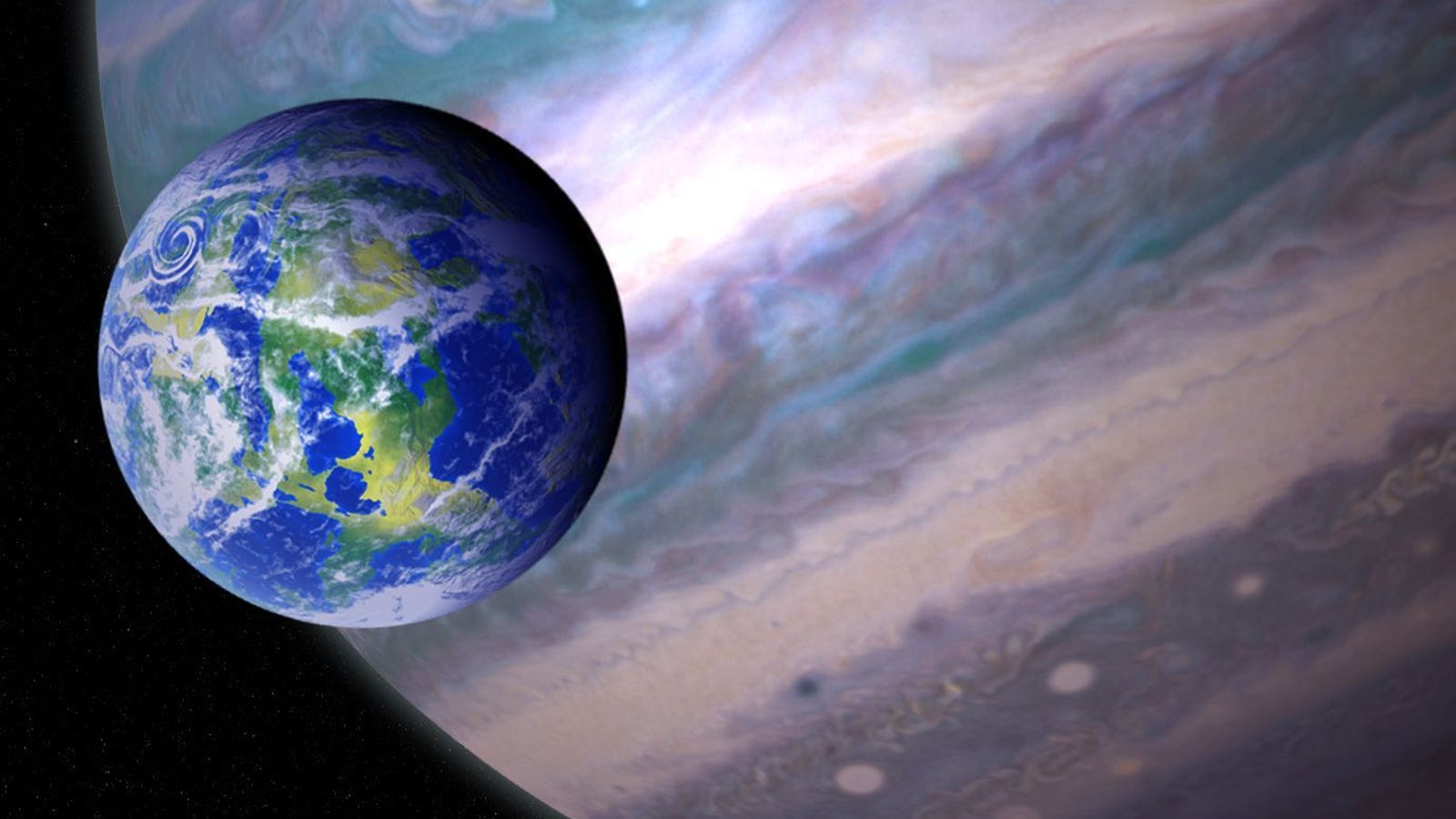
There are eight planets in our Solar System (sorry Pluto), but collectively, these planets host over 175 moons, one or two of which may even harbor life. Indeed, our galaxy, based on what we observe here, could be bursting with exomoons, a significant number of which may be capable of fostering life, according to new a new study.
Header image courtesy https://exoplanets.nasa.gov
#MPRRaccoon Climbs Tall Building, Becomes Social Media Star

As a raccoon made a pecarious climb up a tall building in St. Paul, Minnesota.
Minnesota Public Radio (MPR) broadcast live coverage of the tiny climber and the world quickly tuned in to the #MPRRaccoon saga.
In an age of increasing hostility on social media, this is a welcome breather. Will it make it down OK? Or need to be rescued?
A raccoon that found itself stuck on the UBS building in St. Paul, Minnesota, decided the only way to go was up. The raccoon made it to the 23rd story, and the fire department is trying to lure it to the roof so they can usher it to safety. #mprraccoon https://t.co/xWMW3yUq7C
— Twitter Moments (@TwitterMoments) June 12, 2018
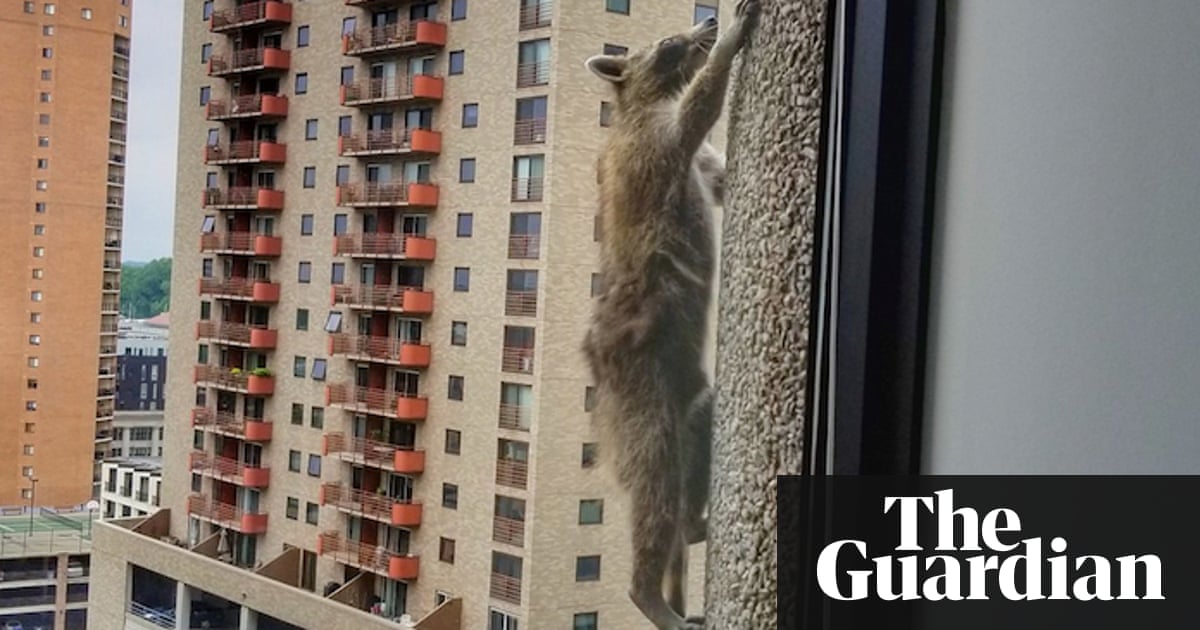
Climbing raccoon prompts live stream, photos and hashtag #MPRraccoon as world watches

For updates: livestream and Twitter Hashtag #MPRRaccoon. Hang in there little fella!
Oregon: Tiny Homes For The Homeless

Eugene, Oregon has been housing some of its homeless and low-income populations in tiny homes to much success.