Australian Man Saves 2.4 Million Children From Rhesus Disease By Weekly Blood Donations

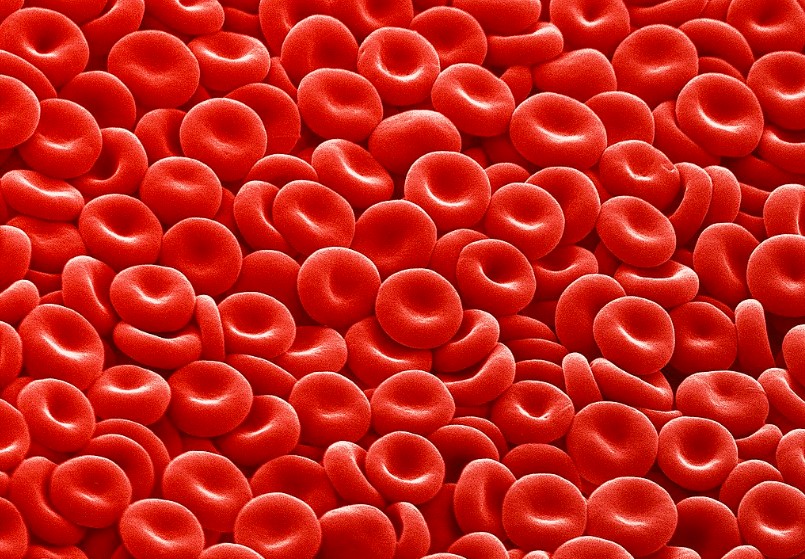
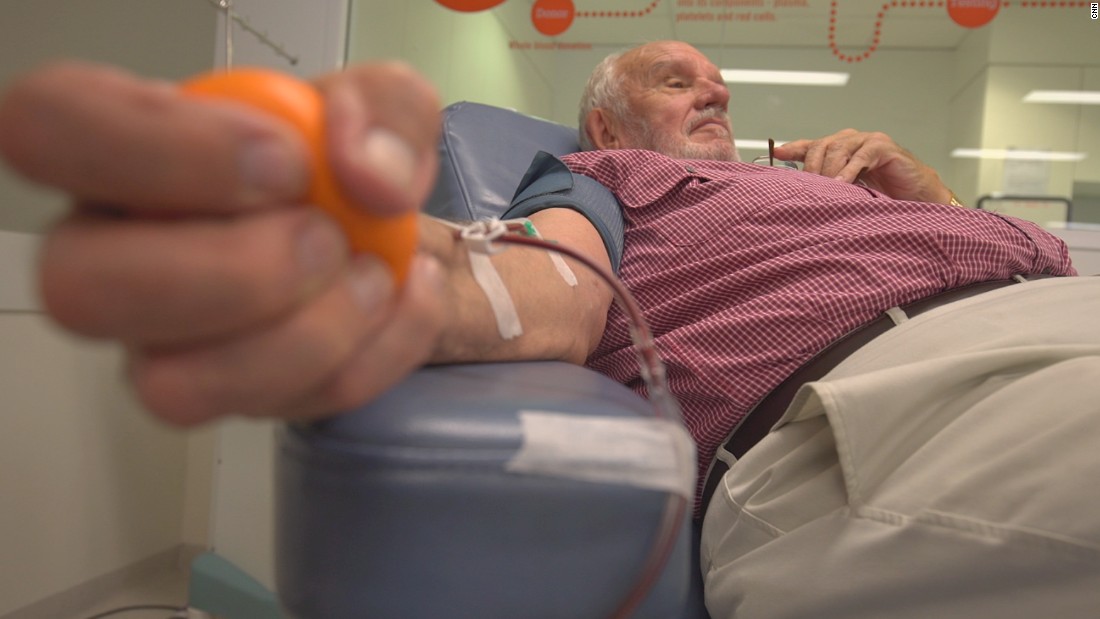
James Harrison was called the man with the golden arm. Every batch of Anti-D that has ever been made in Australia has come from his blood.
James Harrison didn’t know why his blood contained a rare antibody. He just felt compelled to keep giving it.

Harrison continued donating for more than 60 years, and his plasma has been used to make millions of Anti-D injections, according to the Red Cross. Because about 17 percent of pregnant women in Australia require the Anti-D injections, the blood service estimates Harrison has helped 2.4 million babies in the country.

“Every ampul of Anti-D ever made in Australia has James in it,” Barlow told the Sydney Morning Herald. “He has saved millions of babies. I cry just thinking about it.”

Scientists still aren’t sure why Harrison’s body naturally produces the rare antibody but think it is related to the blood transfusions he received as a teenager. And through the decades, Harrison has brushed off excessive praise regarding his regular trips to the blood donation center from his home in Umina Beach, on the Central Coast of New South Wales.
Header photo (Creative Commons) by John Kalekos

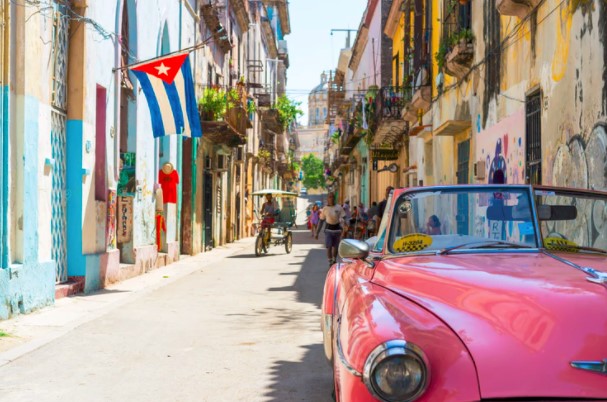
Academics Unpack Cuba’s Weekly Internet

A detailed look at Cuba’s ‘offline internet:” the weekly assembly, organisation, and distribution of ‘El Paquete Semenal‘.


Most Cubans have terrible access to the Internet — estimates suggest only 5-25% of the populace can regularly get online. The government made it a bit easier in recent years with paid wifi hotspots, but they require dough, and they’re super slow. So Cubans have instead, in the last decade, evolved a complex, massive sneakernet.

(Courtesy Boing Boing)

Previously on The Bubble:

DIY Inventions from Cuba: Necessity Is A Mother
and
Your Weekly Internet

Photo by Alexander Kunze on Unsplash

The Atlantic: “American Futures” series

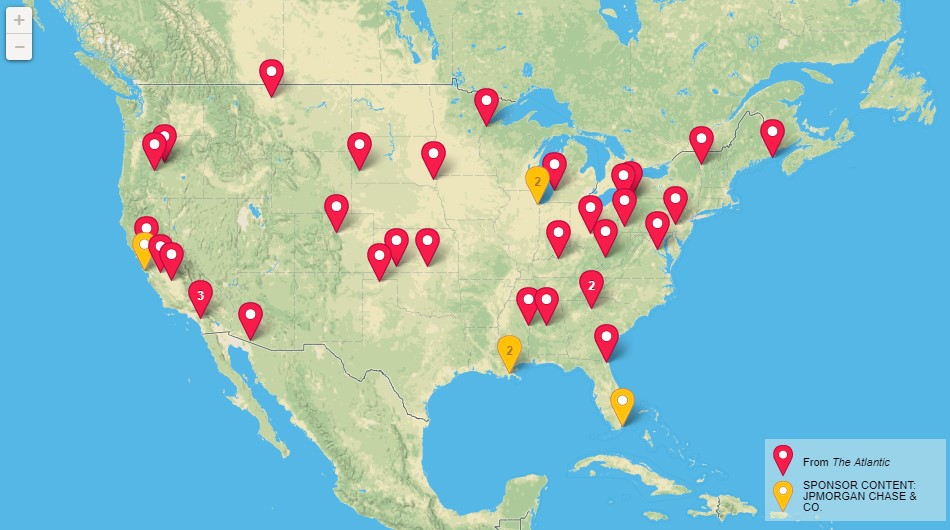
A reporting project from the Atlantic: “American Futures”, cites Civic Governance, Talent Dispersal, Schools, Libraries, Manufacturing, Downtowns, and Conservation as positive change in the USA. A book is in process.

America is becoming more like itself again. More Americans are trying to make it so, in more places, than most Americans are aware. Even as the country is becoming worse in obvious ways—angrier, more divided, less able to do the basic business of governing itself—it is becoming distinctly better on a range of other indicators that are harder to perceive. The pattern these efforts create also remains hidden. Americans don’t realize how fast the country is moving toward becoming a better version of itself 
– James and Deborah Fallows, American Futures

www.AmericanFutures.org

Combining Braille and Written Fonts: ‘Braille Neue’


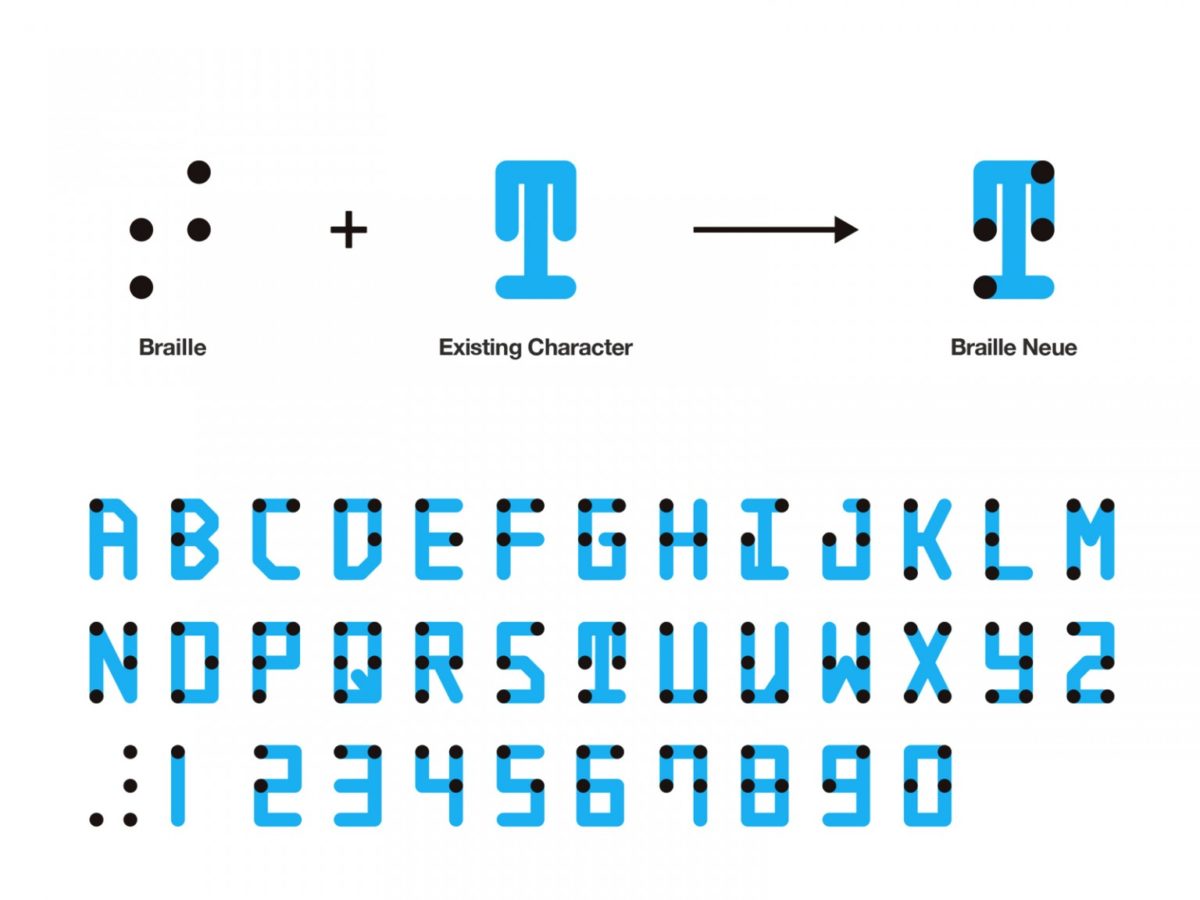
Japanese designer Kosuke Takahashi has created an ingenious font that merges different typefaces to allow both sighted and blind readers to use the same text. Thinking ahead to Tokyo’s hosting of the 2020 Olympics and Paralympics, Takahashi shares on his website that he hopes his font will “create a truly universal space where anyone can access information.”  Braille Neue is comprised of two typesets: Braille Neue Standard, for the English alphabet, and Braille Neue Outline, which accommodates both Japanese and English visible characters and letters. Takahashi’s creation addresses two related problems.

Resurrecting the ‘Tasmanian Tiger’ (Thyacline)

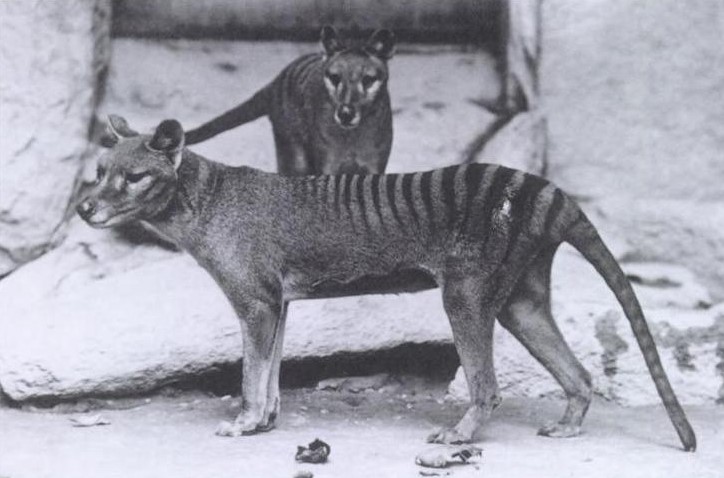
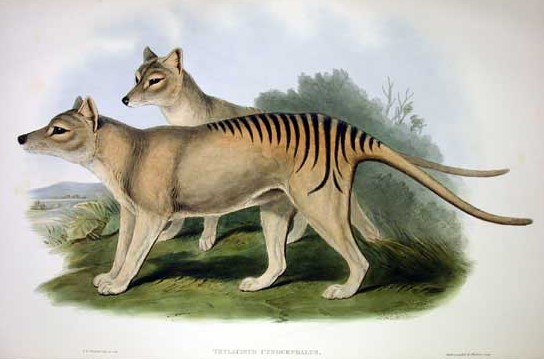
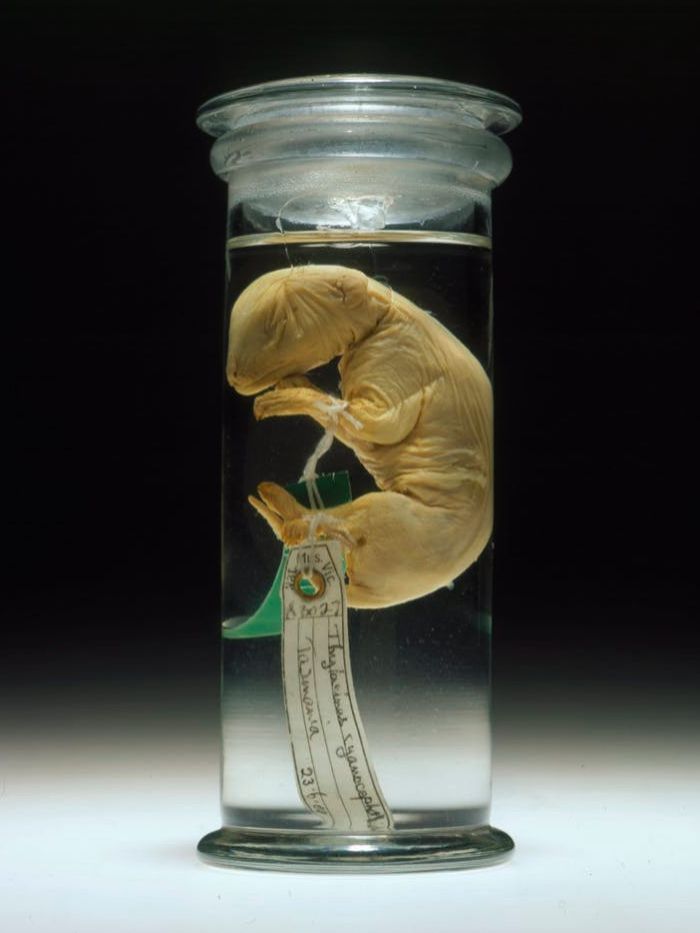
Andrew Pask, a biologist from the University of Melbourne, was part of a team who worked for 10 years to successfully sequence the entire genome of a Tasmanian tiger, also known as a thylacine, with the help of a four-week-old joey preserved in a different solution to other damaged specimens.” …

“It gave us so much information about what was unique about the thylacine. We learned more about its biology, we learned about its population structure over time, we also learned more about where it sits and how it related (biologically) to other marsupials” he said.

http://www.news.com.au/technology/science/animals/not-science-fiction-any-more-the-tasmanian-tiger-could-soon-be-back-from-extinction/news-story/b26dcb89e8c28f1232b5153e2c2c07e7

Images: Wikipedia, Museums Victoria: Benjamin Healley

Postal Banking for USA

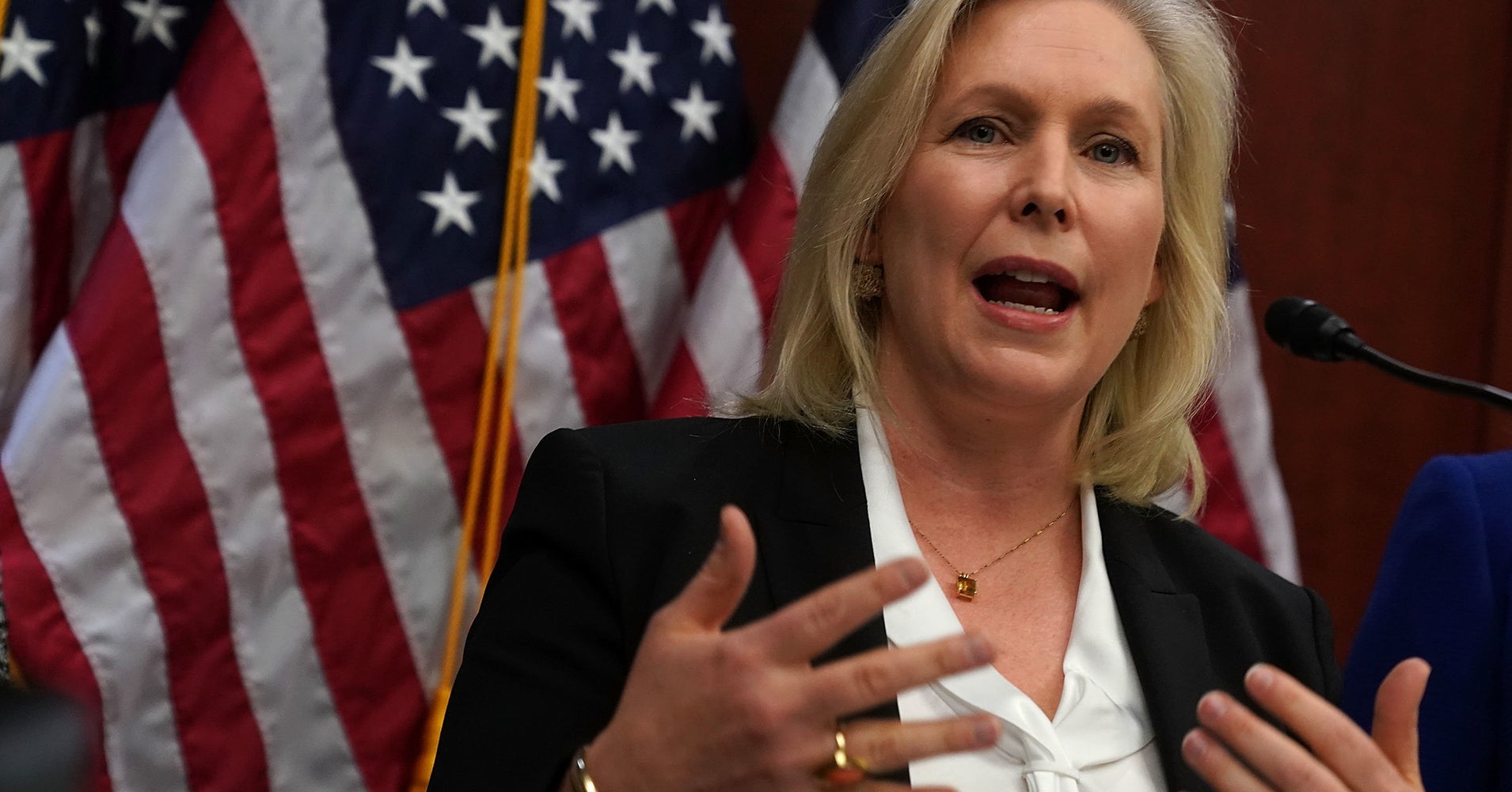
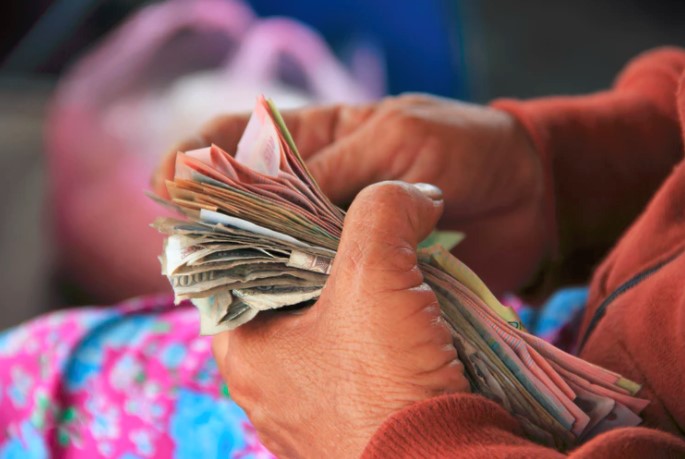
Under Gillibrand’s proposal, Americans could cash paychecks and deposit money in accounts free of charge at each post office location. Deposits would be capped at the larger of two amounts ― $20,000, or the median balance in all American bank accounts.

The postal banks would be able to distribute loans to borrowers of up to $1,000 at an interest rate slightly higher than the yield on one-month Treasury bonds, currently about 2 percent.

A postal banking system would be an alternative to the for-profit payday lending system, in which people routinely pay triple-digit fees to borrow money for bills that come due before their next paycheck. The average payday loan of $375 typically costs a borrower an additional $520 in interest and fees, according to Pew Charitable Trusts.

…

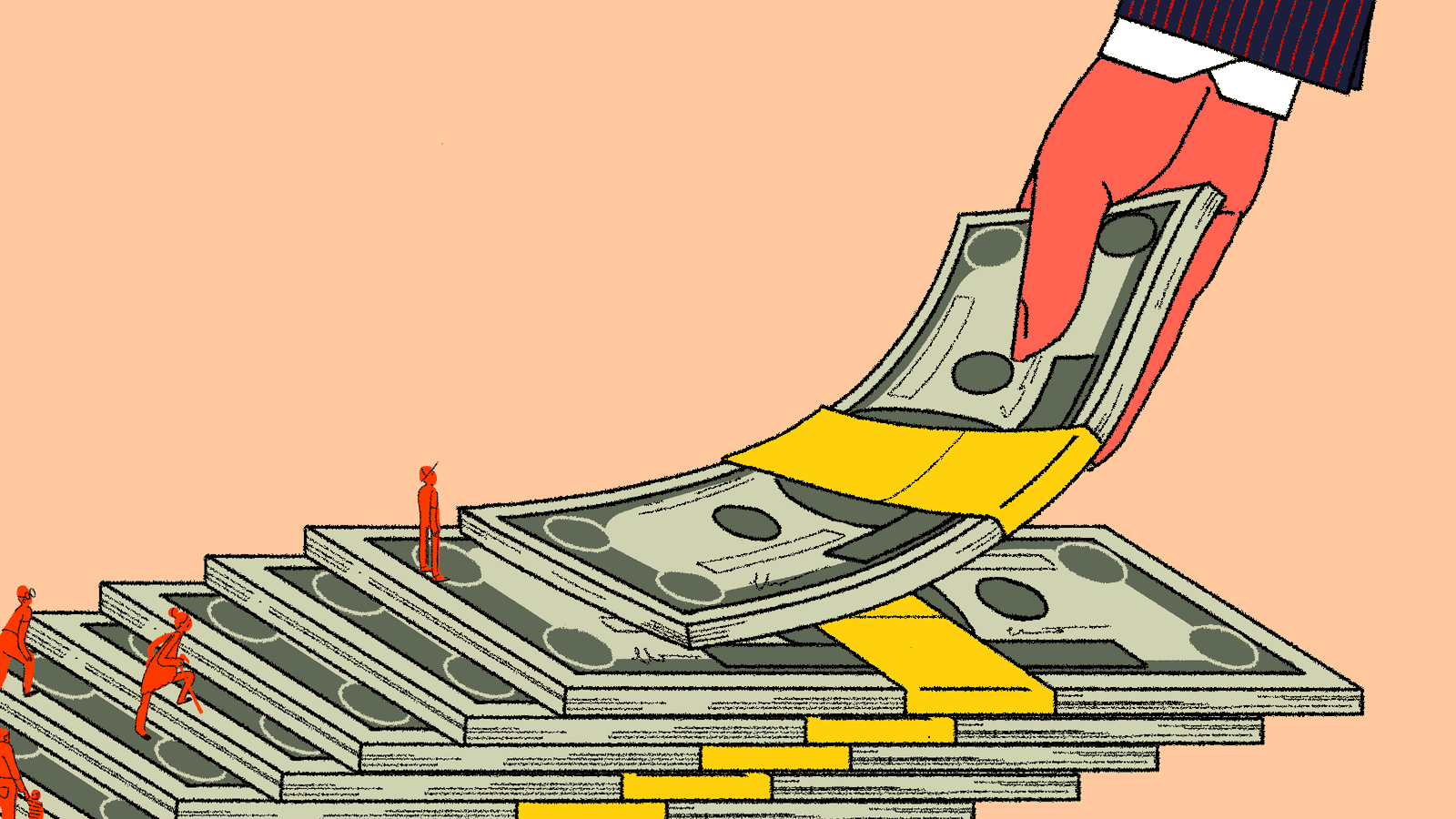
More than one-quarter of Americans households (34 million homes) are either “unbanked” ― meaning they lack someone with a bank account altogether ― or “underbanked” ― relying on payday loans or other so-called alternative lenders to supplement the services of a traditional bank.

Their predicament shows how expensive it is to be poor in America. The average underbanked household has an annual income of $25,500, and spends nearly 10 percent on alternative financial products and associated fees, according to a 2011 KPMG study.

Meanwhile, France’s Banque Postale moves to expand its services in 2019:

French state-owned Banque Postale, part of the French postal service, said on Tuesday it would launch its online bank “Ma French Bank” in spring 2019.
Header Photo by Tim Evans on Unsplash

Kids Are Superhuman

Nobody really looks back on themselves as an eight-year-old and thinks that they were at their peak in terms of physical performance, but a new study suggests that youngsters are on a whole other level when it comes to muscle recovery. The research reveals that kids between the ages of 8 and 12 outperform even professional endurance athletes in many exercise recovery tests, bouncing back from muscle fatigue much faster than adults.

In a series of cycling tests, scientists put a dozen boys between the ages of 8 and 12 up against a dozen unfit adults and 13 professional competition athletes. Each volunteer was measured for their heart rate, level of oxygen in their blood, and the level of muscle fatigue they were experiencing based on the production of lactic acid within the muscles. The kids outperformed the sedentary adults every time, and when it comes to recovery, they also beat out the professionals.

Header Photo by Rene Bernal on Unsplash


It’s not green, it’s ‘Greener Concrete’

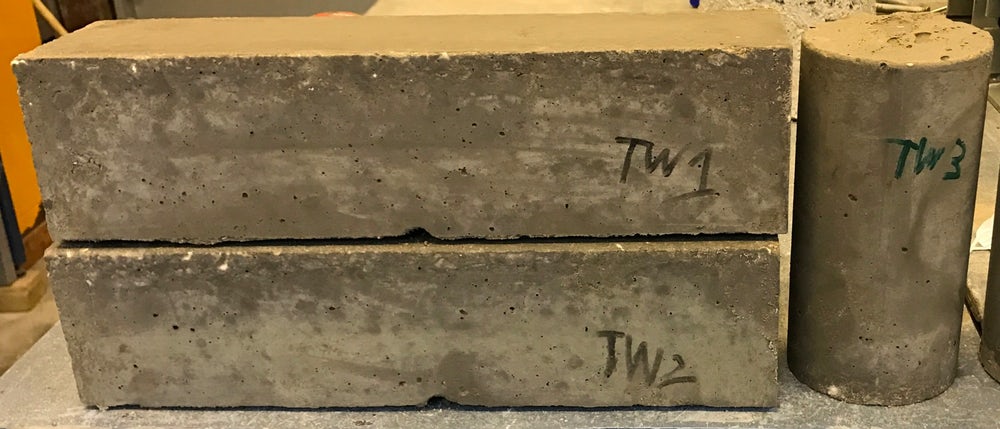
Graphene, the “wonder material” composed of a one-atom-thick sheet of linked carbon atoms, is the world’s strongest manmade material. Now, scientists have used it to create a new type of concrete that is much stronger, water-resistant and eco-friendly than what we’re used to.


Reddit “Ask Me Anything” – Universal Basic Income Evangelist Rutger Bregman

Bubble readers may be familiar with Rutger Bregman, author of “Utopia For Realists” / economic policy wonk.

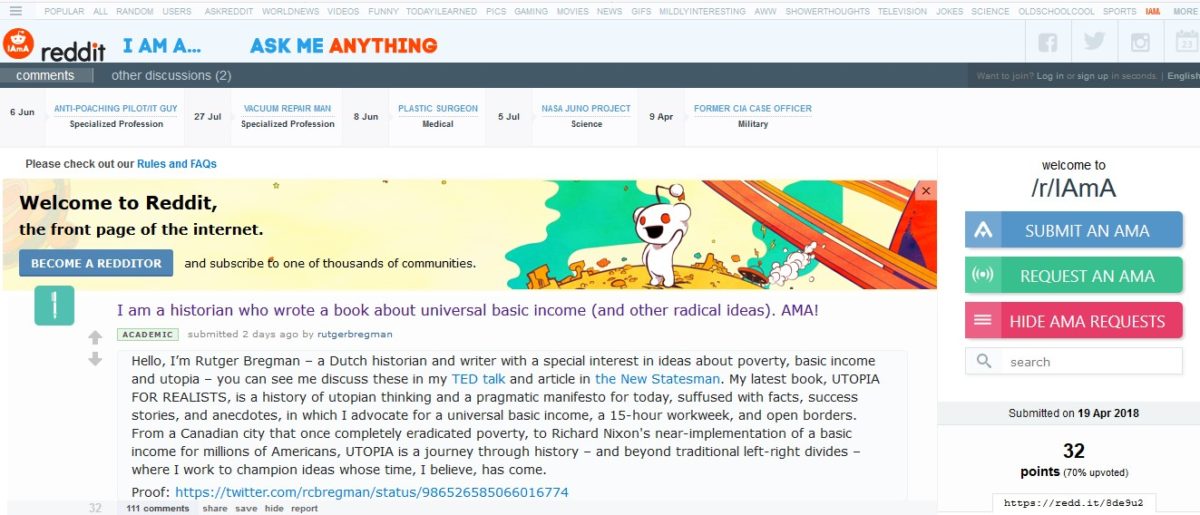
If you are, have a look at his recent “Ask Me Anything” Q&A on Reddit.

I am a historian who wrote a book about universal basic income (and other radical ideas). AMA! from IAmA

Catching up? Try this Ted Talk Video or Transcript.

Stockton, California to provide Universal Basic Income to 100 citizens

Later this year, Stockton, a city in California with a 25% poverty rate, will conduct an unusual experiment: Roughly 100 of its citizens will receive $500 a month for 12-18 months, with no work requirements and no strings attached. Researchers likely will regularly assess the recipients? health, childcare arrangements, education, and general well-being in order to measure how this kind of financial leg up affects quality of life. The grant, from the Economic Security Project, is a privately funded experiment in “universal basic income,” a policy idea crafted from the premise that every citizen should receive a regular stipend from the government to cover their basic needs.

Header photo by Niels Steeman on Unsplash