SCIENCE

Posts in "Science"

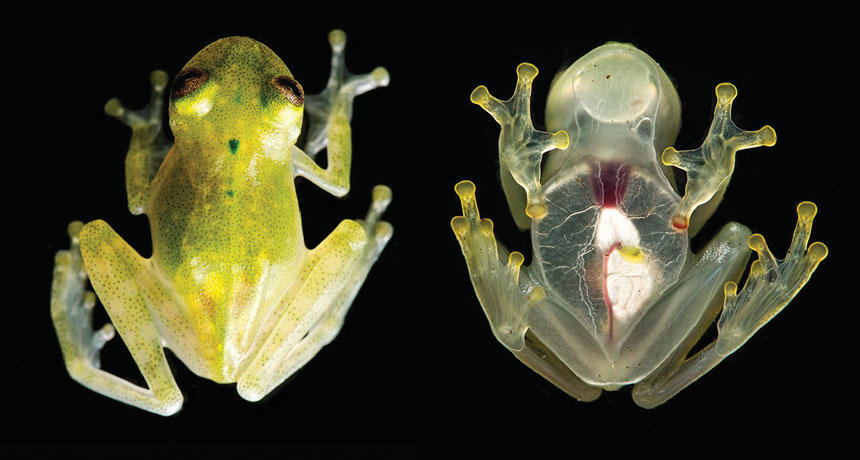
This glass frog wears its heart for all to see


A newly discovered glass frog from Ecuador’s Amazon lowlands is giving researchers a window into its heart.

Hyalinobatrachium yaku has a belly so transparent that the heart, kidneys and urine bladder are clearly visible, an international team of researchers reports May 12 in ZooKeys. Researchers identified H. yaku as a new species using field observations, recordings of its distinct call and DNA analyses of museum and university specimens.
https://www.sciencenews.org/article/glass-frog-wears-its-heart-all-see
Japan’s Electric Whip Will Snare Space Junk


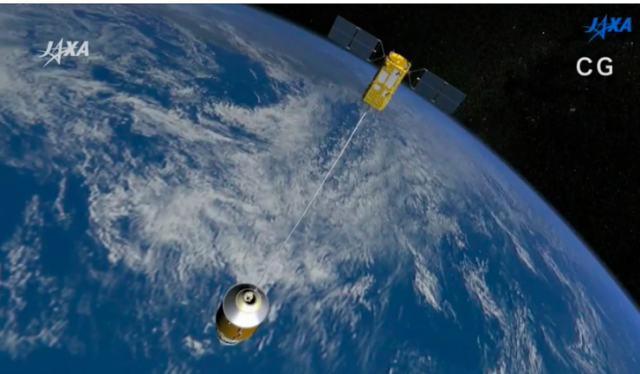
Japan wants what is essentially a giant electric whip on a cargo ship to take on the problem of space junk.

The electrodynamic tether, or EDT, is made with the help of 106-year-old fishing net company Nitto Seimo. The Japanese space program, JAXA, plans to launch EDT as “a promising candidate to de-orbit the debris objects at low cost.” In its press release, JAXA states that the space junk cleanup is needed “to preserve the outer space environment for future generations.”

https://www.popularmechanics.com/space/satellites/a24246/japan-to-launch-electric-whip-into-space/

Wax worm caterpillar will eat plastic shopping bags: New solution to plastic waste?

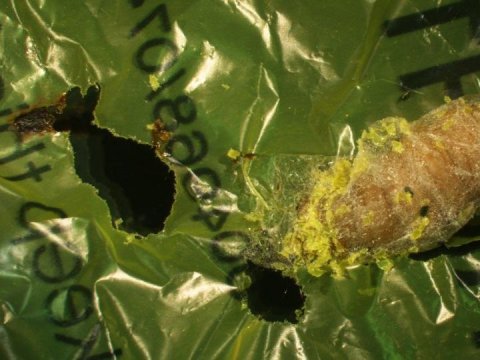
This image shows a wax worm chewing a hole through plastic. Polyethylene debris can be seen attached to the caterpillar.
Credit: Federica Bertocchini, Paolo Bombelli, and Chris Howe

Generally speaking, plastic is incredibly resistant to breaking down. That’s certainly true of the trillion polyethylene plastic bags that people use each and every year. But researchers reporting in Current Biology on April 24 may be on track to find a solution to plastic waste. The key is a caterpillar commonly known as a wax worm.

https://www.sciencedaily.com/releases/2017/04/170424141338.htm

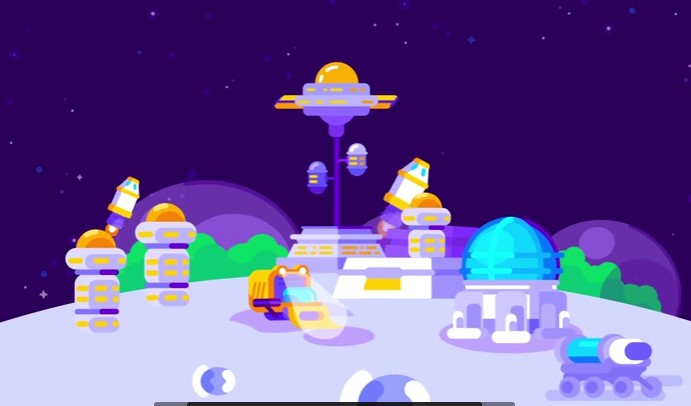
Printing bricks from moondust using the sun’s heat

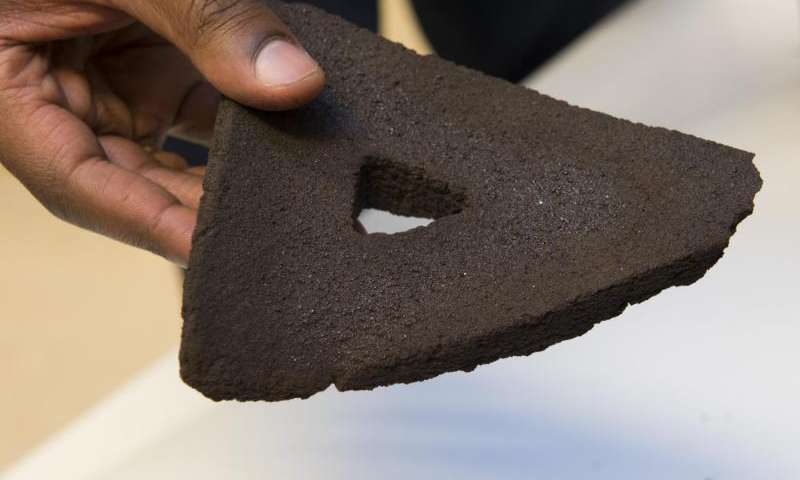
Bricks have been 3-D printed out of simulated moondust using concentrated sunlight – proving in principle that future lunar colonists could one day use the same approach to build settlements on the moon.

“We took simulated lunar material and cooked it in a solar furnace,” explains materials engineer Advenit Makaya, overseeing the project for ESA.

“This was done on a 3-D printer table, to bake successive 0.1 mm layers of moondust at 1000°C. We can complete a 20 x 10 x 3 cm brick for building in around five hours.”

Read more at: https://phys.org/news/2017-05-bricks-moondust-sun.html#jCp


We Met the Mind Behind the Rubik's Cube — Mashable Originals
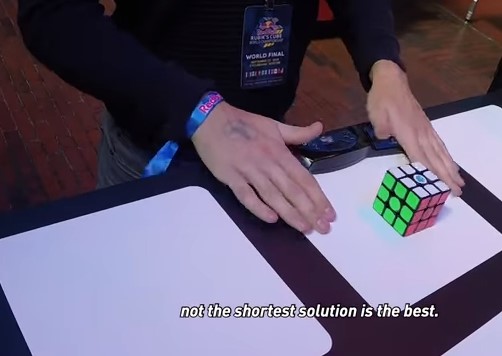
Have you even given up, helplessly, on a Rubik’s Cube? What was meant to be a tool that helped students learn about space and design is now a competition to see who can finish it faster with their eyes closed. Love it or hate it (because you can’t complete it), the cube has become a staple of human culture. This is Erno Rubik, the man behind the legacy. 


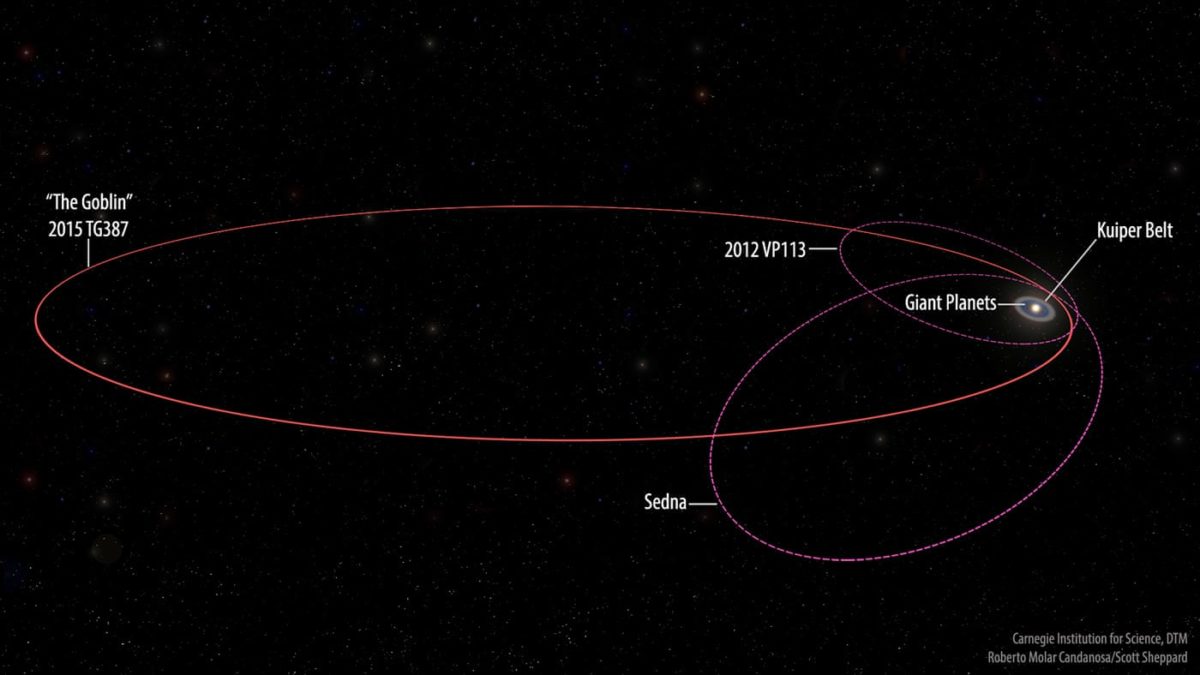
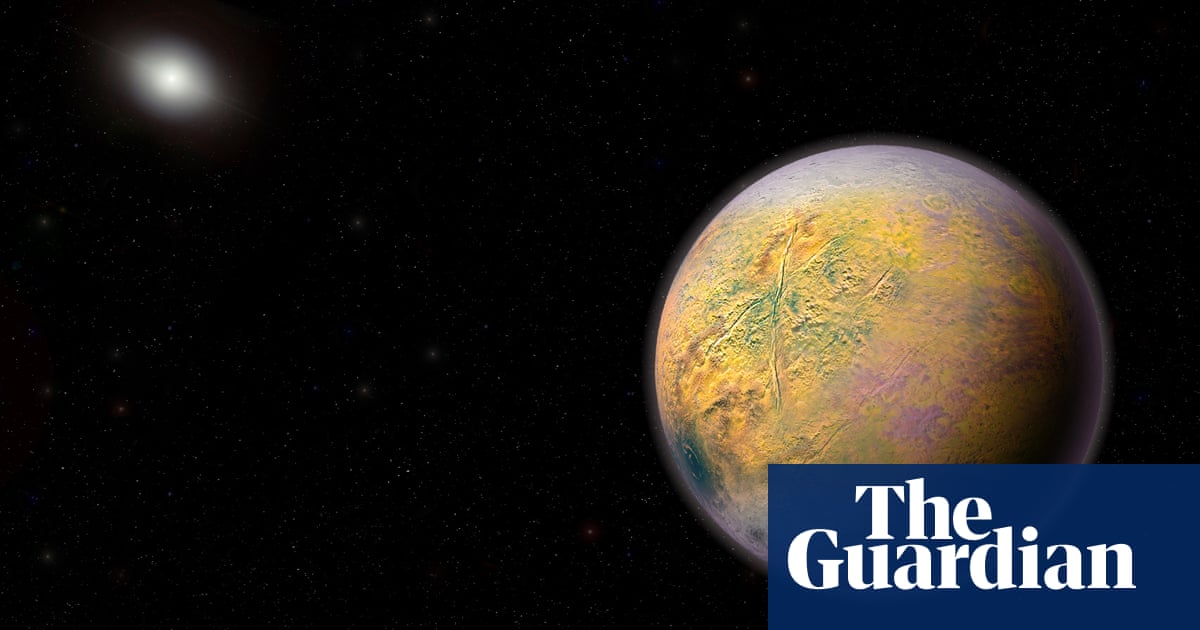
New Dwarf Planet Points The Way to Planet Nine

Astronomers made the discovery while hunting for a hypothetical massive planet, known as Planet Nine, that is suspected to be in orbit far beyond Pluto in a mysterious region known as the Oort Cloud. Planet Nine has not yet been seen directly, but The Goblin appears to be under the gravitational influence of a giant unseen object, adding to astronomers’ certainty that it is out there.
For more, Scientific American:


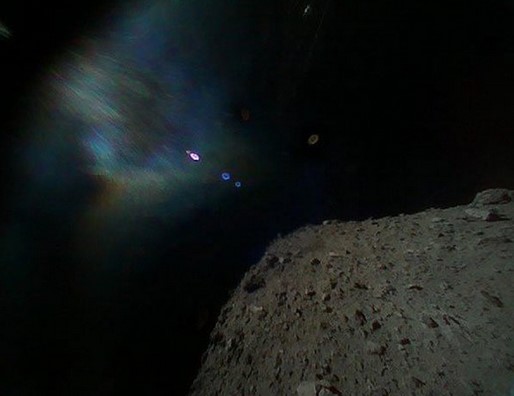
Japanese Hopping Robotic Rovers Land On Asteroid

In order to complete the deployment, the main spacecraft of the Hayabusa2 mission lowered itself carefully down toward the surface until it was just 180 feet (55 meters) up. After the rovers were on their way, the spacecraft raised itself back up to its typical altitude of about 12.5 miles above the asteroid’s surface (20 kilometers).


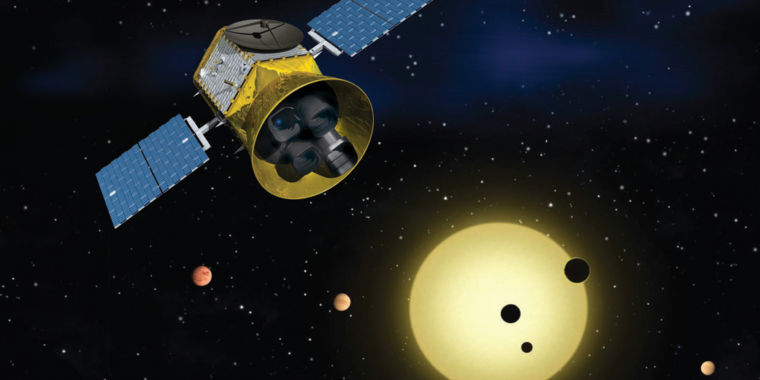
Two New Exoplanets Discovered by TESS

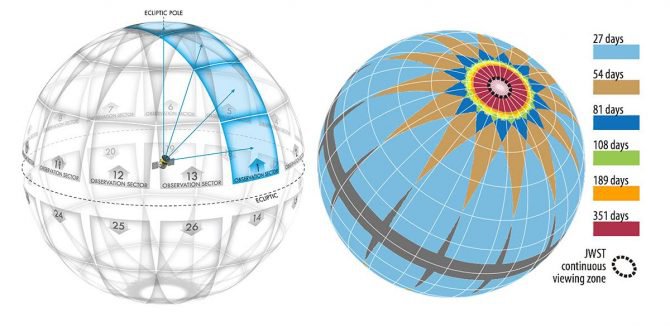
TESS can be thought of as the first half of a Kepler-like program. It will help find a lot of planets, including a few that may be close enough to be imaged by existing hardware. But it’s mostly laying the groundwork for the giant telescopes that are currently under construction, as well as the James Webb Space Telescope, which continues to inch toward launch. These will greatly expand our reach out into the galaxy, vastly increasing the distance at which we can image planetary atmospheres.