SCIENCE

Posts in "Science"

The hunt for meteorites under the sea

NASA is searching for meteorites that splashed down into the Pacific Ocean. Here's why.
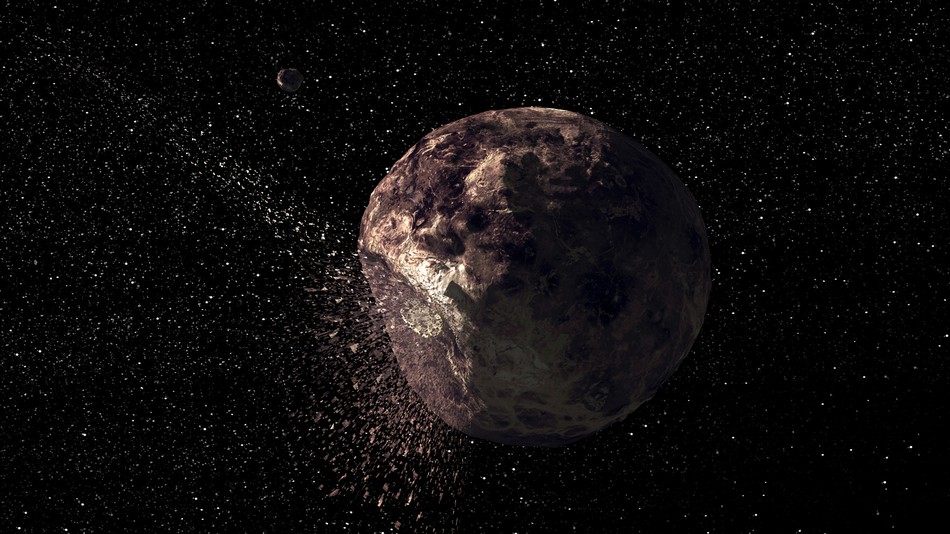
On March 7, 2018, NASA planetary scientist Marc Fries watched on a weather radar as meteorites plunged into the Pacific Ocean. Four months later, on July 2, Fries and a group of marine researchers plan to pull these meteorites — chunks of primordial space rocks — out of the sea. No one has ever retrieved a meteorite from the ocean before, he said. But the effort is well worth it. These particular space rocks, he said, are different. “This one is special,” said Fries, in an interview. “This one is tougher than your typical meteor.”
Scientists are scrabbling to find the valuable rocks before they are degraded by sea water.


New Exoplanet Spotted Forming

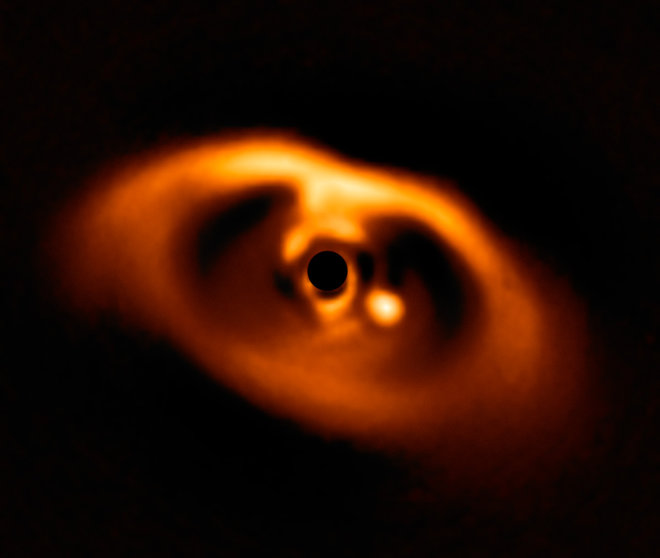
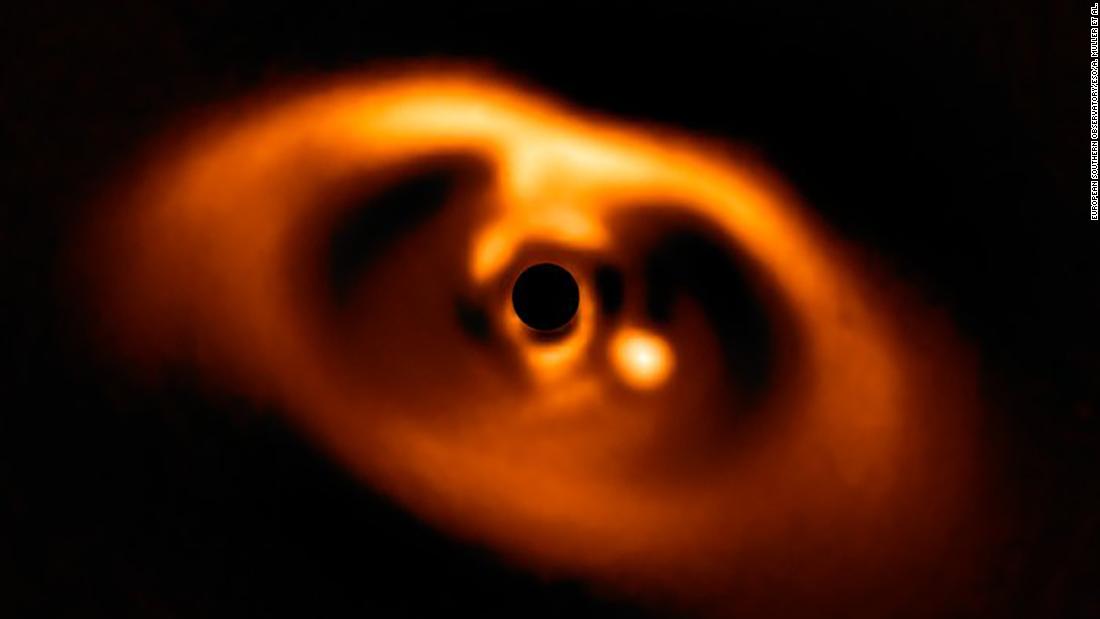
First confirmed image of the birth of a planet
A planet-hunting instrument has captured the first confirmed image of a newborn planet that’s still forming in our galaxy.
A stunning, first-of-its-kind photo shows a giant alien world taking shape in the disk of gas and dust surrounding a young star.


A Galaxy Full of Exomoons

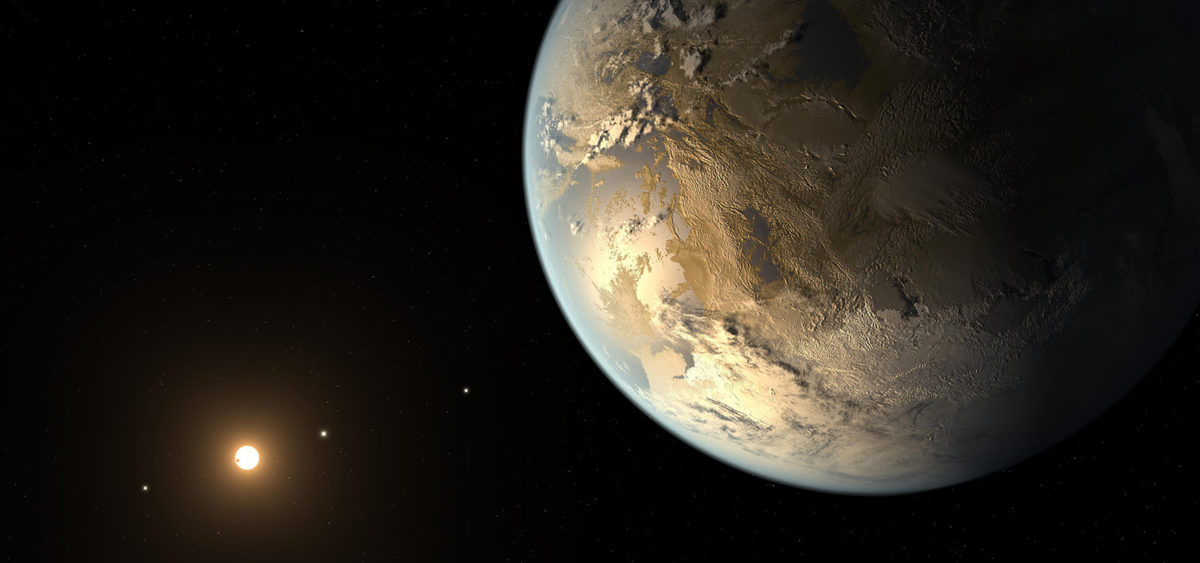
Our Galaxy Might Be Teeming With Habitable Exomoons
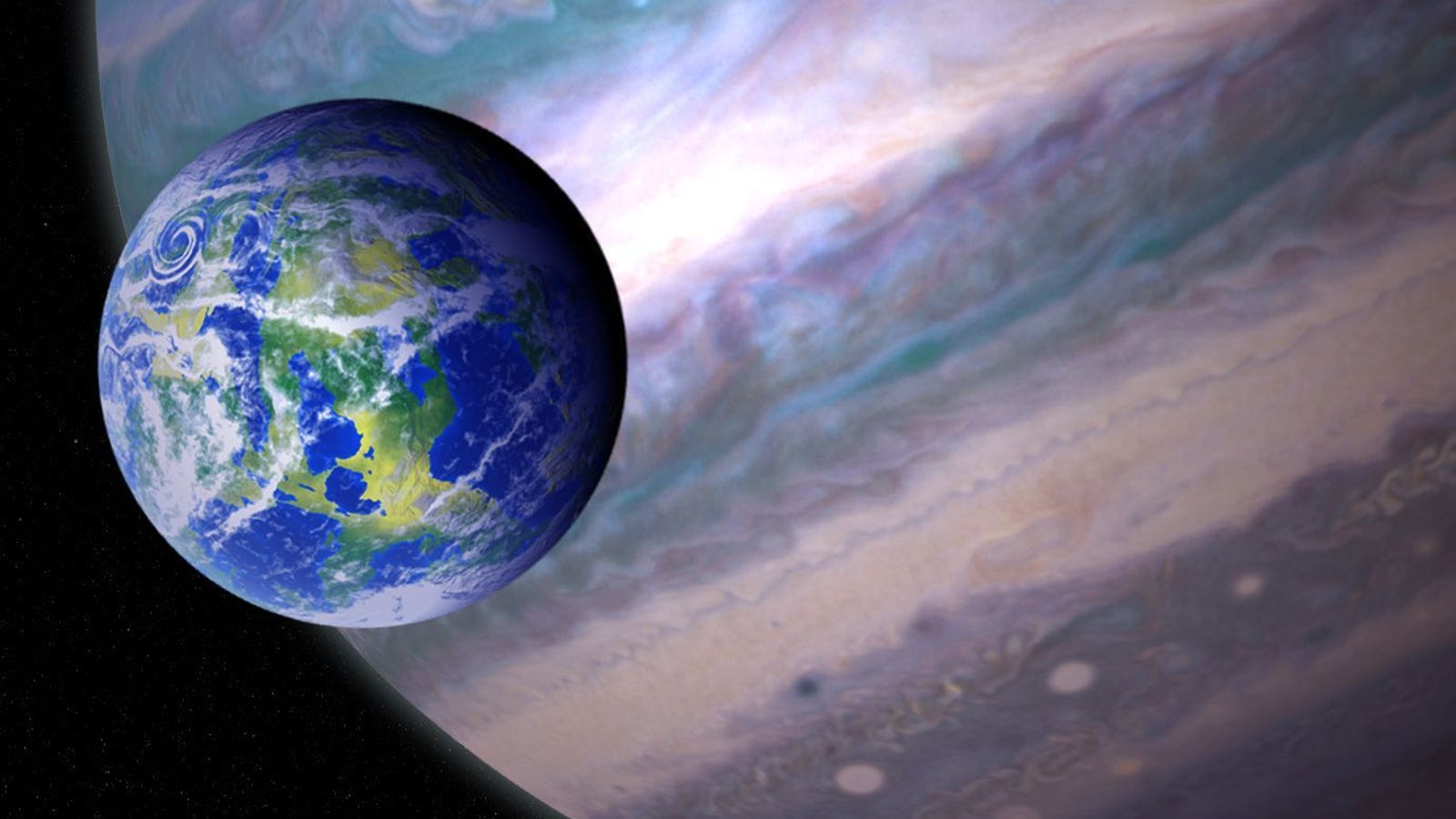
There are eight planets in our Solar System (sorry Pluto), but collectively, these planets host over 175 moons, one or two of which may even harbor life. Indeed, our galaxy, based on what we observe here, could be bursting with exomoons, a significant number of which may be capable of fostering life, according to new a new study.
Header image courtesy https://exoplanets.nasa.gov


Living Culture: 120-Year-Old Sourdough Starter To Be Genetically Charted

This sourdough starter dates back to the Klondike Gold Rush
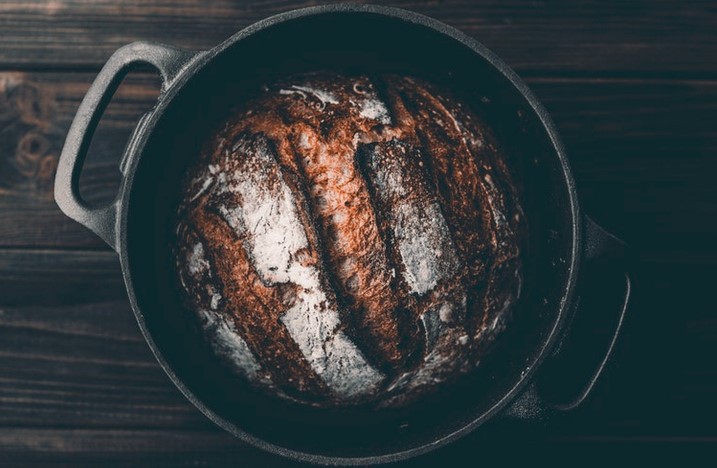
84-year-old Ione Christensen of Whitehorse, Yukon, has had her starter for 60 years. She knows that it traveled with her grandfather in 1897.
CBC’s mention of Christensen’s starter caught the attention of Belgian baker Karl de Smedt, who works for the Puratos World Heritage Sourdough Library in St. Vith, Belgium.
Christensen is pleased by the attention her starter is receiving. “It’s a family pet, if you will.” Indeed, sourdough starters do require steady attention to be kept alive. Until fairly recently, they were crucial if anyone wanted fresh bread, which is why de Smedt described people in the past as “slaves to their sourdough,” needing to feed it every few hours. Modern yeast extraction has eliminated that need, but has paid the price in flavor.
Meanwhile, Christensen laughs at the fact that her starter’s fame might eclipse her own accomplishments. She was the first female mayor of Whitehorse in 1975, Commissioner of Yukon after that, a Canadian senator, and a recipient of the Order of Canada in 1994.
Profile photo by Artur Rutkowski via Unsplash


Australian Man Saves 2.4 Million Children From Rhesus Disease By Weekly Blood Donations

James Harrison was called the man with the golden arm. Every batch of Anti-D that has ever been made in Australia has come from his blood.
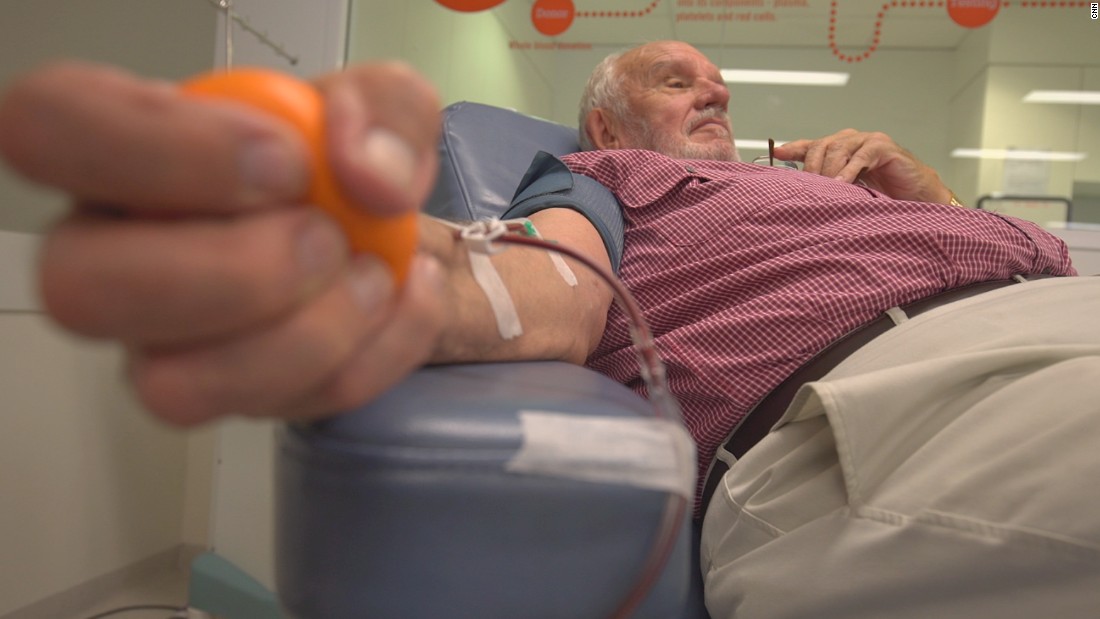
James Harrison didn’t know why his blood contained a rare antibody. He just felt compelled to keep giving it.

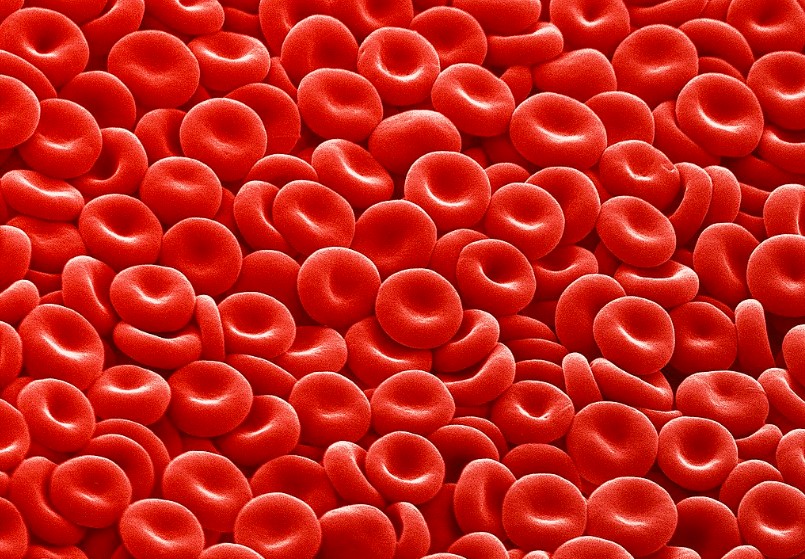
Harrison continued donating for more than 60 years, and his plasma has been used to make millions of Anti-D injections, according to the Red Cross. Because about 17 percent of pregnant women in Australia require the Anti-D injections, the blood service estimates Harrison has helped 2.4 million babies in the country.

“Every ampul of Anti-D ever made in Australia has James in it,” Barlow told the Sydney Morning Herald. “He has saved millions of babies. I cry just thinking about it.”

Scientists still aren’t sure why Harrison’s body naturally produces the rare antibody but think it is related to the blood transfusions he received as a teenager. And through the decades, Harrison has brushed off excessive praise regarding his regular trips to the blood donation center from his home in Umina Beach, on the Central Coast of New South Wales.
Header photo (Creative Commons) by John Kalekos

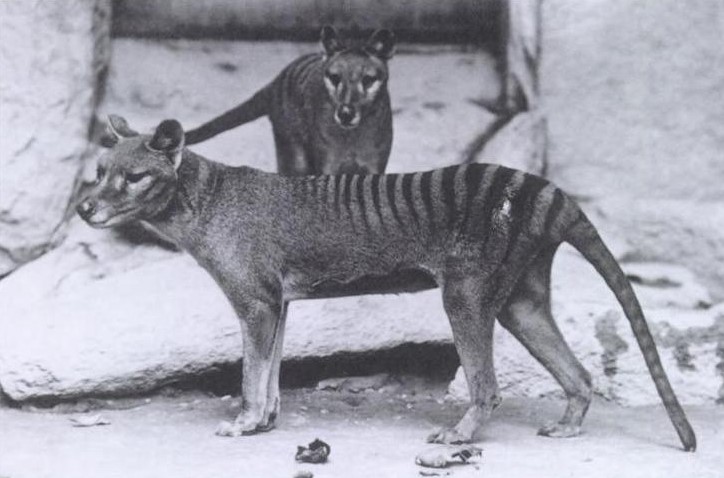
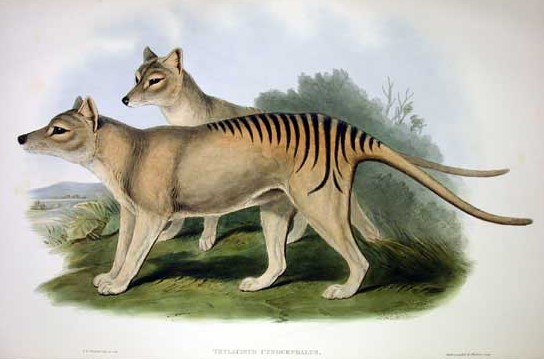
Resurrecting the ‘Tasmanian Tiger’ (Thyacline)

Andrew Pask, a biologist from the University of Melbourne, was part of a team who worked for 10 years to successfully sequence the entire genome of a Tasmanian tiger, also known as a thylacine, with the help of a four-week-old joey preserved in a different solution to other damaged specimens.” …
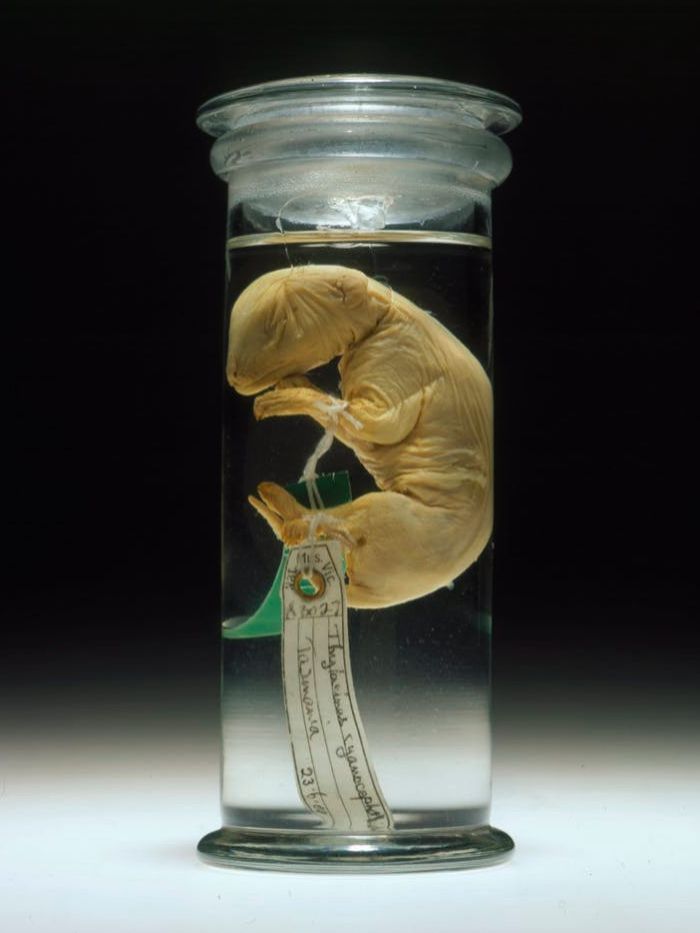
“It gave us so much information about what was unique about the thylacine. We learned more about its biology, we learned about its population structure over time, we also learned more about where it sits and how it related (biologically) to other marsupials” he said.

http://www.news.com.au/technology/science/animals/not-science-fiction-any-more-the-tasmanian-tiger-could-soon-be-back-from-extinction/news-story/b26dcb89e8c28f1232b5153e2c2c07e7

Images: Wikipedia, Museums Victoria: Benjamin Healley