SCIENCE

Posts in "Science"

Kids Are Superhuman

Nobody really looks back on themselves as an eight-year-old and thinks that they were at their peak in terms of physical performance, but a new study suggests that youngsters are on a whole other level when it comes to muscle recovery. The research reveals that kids between the ages of 8 and 12 outperform even professional endurance athletes in many exercise recovery tests, bouncing back from muscle fatigue much faster than adults.

In a series of cycling tests, scientists put a dozen boys between the ages of 8 and 12 up against a dozen unfit adults and 13 professional competition athletes. Each volunteer was measured for their heart rate, level of oxygen in their blood, and the level of muscle fatigue they were experiencing based on the production of lactic acid within the muscles. The kids outperformed the sedentary adults every time, and when it comes to recovery, they also beat out the professionals.

Header Photo by Rene Bernal on Unsplash


It’s not green, it’s ‘Greener Concrete’

Graphene, the “wonder material” composed of a one-atom-thick sheet of linked carbon atoms, is the world’s strongest manmade material. Now, scientists have used it to create a new type of concrete that is much stronger, water-resistant and eco-friendly than what we’re used to.


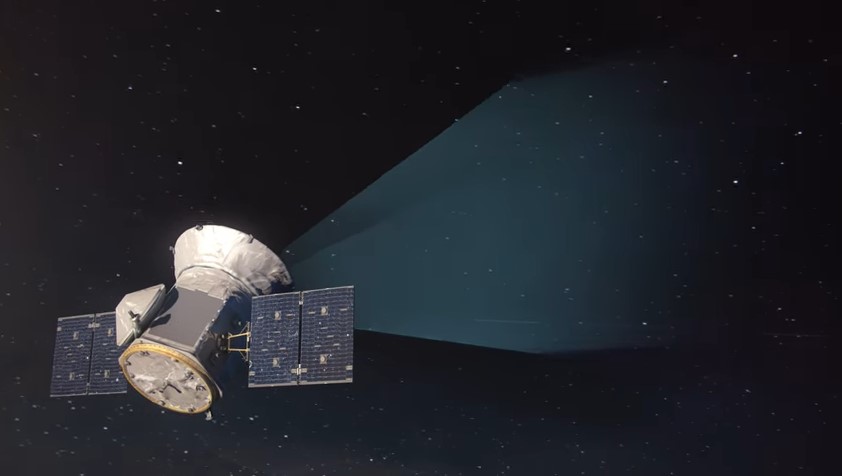
Transiting Exoplanet Survey Satellite: Monday Launch

NASA launches TESS, to follow up KEPLER’s work:

If a planet-hunting spacecraft sounds familiar, it’s likely because of the rich diversity of worlds found so far by NASA’s venerable Kepler space probe. Since 2009, Kepler has been harvesting planets from the cosmos, spying the footprints of these alien worlds in distant starlight. Kepler alone can claim more than 2,600 discoveries, some of which could be rocky planets quite similar to Earth.

https://news.nationalgeographic.com/2018/04/nasa-tess-exoplanets-how-mission-works-earth-space-science/


Launched last week, TESS will scan 200,000 close and bright stars, seeking new planets and possibly livable worlds. Here’s a roundtable discussion with 2 scientists on the TESS mission.


Salt Water Rice For A World of Rising Tides

More than half the global population relies on rice to survive, but meeting that demand is difficult due to the increasing scarcity of freshwater, which is required for rice cultivation. To get around the problem, an 87-year-old Chinese scientist named Yuan Longping is developing a new high-yield strain of rice that grows in saltwater.

https://www.weforum.org/agenda/2017/11/china-has-developed-a-rice-that-grows-in-seawater

Header photo by Arthur Yeti on Unsplash

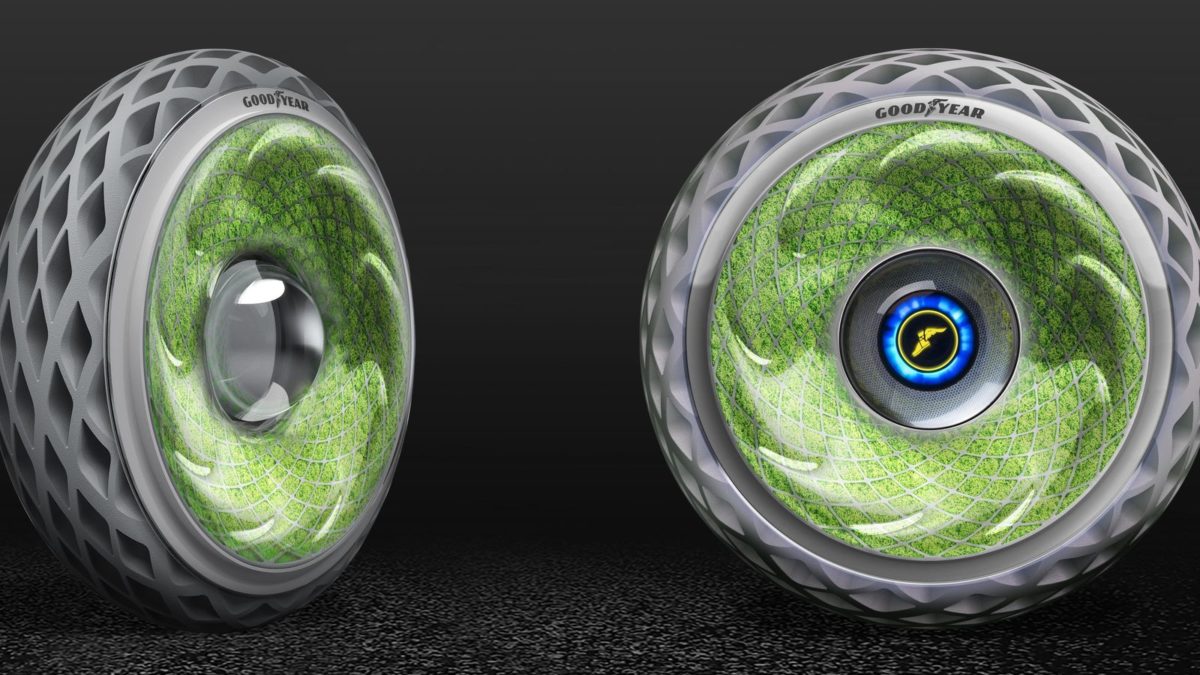
Oxygene: Goodyear’s living green tire made from moss and rubber

The company’s gone sort-of biotech, with living moss at the center of the tire. It draws in moisture from the road (not sure how that will fare in Arizona), eats CO2 and puts out oxygen — basically just doing what plants do. Goodyear estimates a that if every car in Paris had these tires, it would remove some 4,000 tons of CO2 each year. That’s equivalent to removing about 4,500 cars from the road there.

The plant-filled center is also biohacked to extract a small amount of electricity from photosynthesis.

… Going further, Goodyear imagines these tires would use something like Li-Fi to engage in vehicle-to-infrastructure communication.

[Not to be confused with the classic electronic music album by Jean-Michel Jarre.]

Photo courtesy Goodyear


Solar Geoengineering To Fight Climate Change

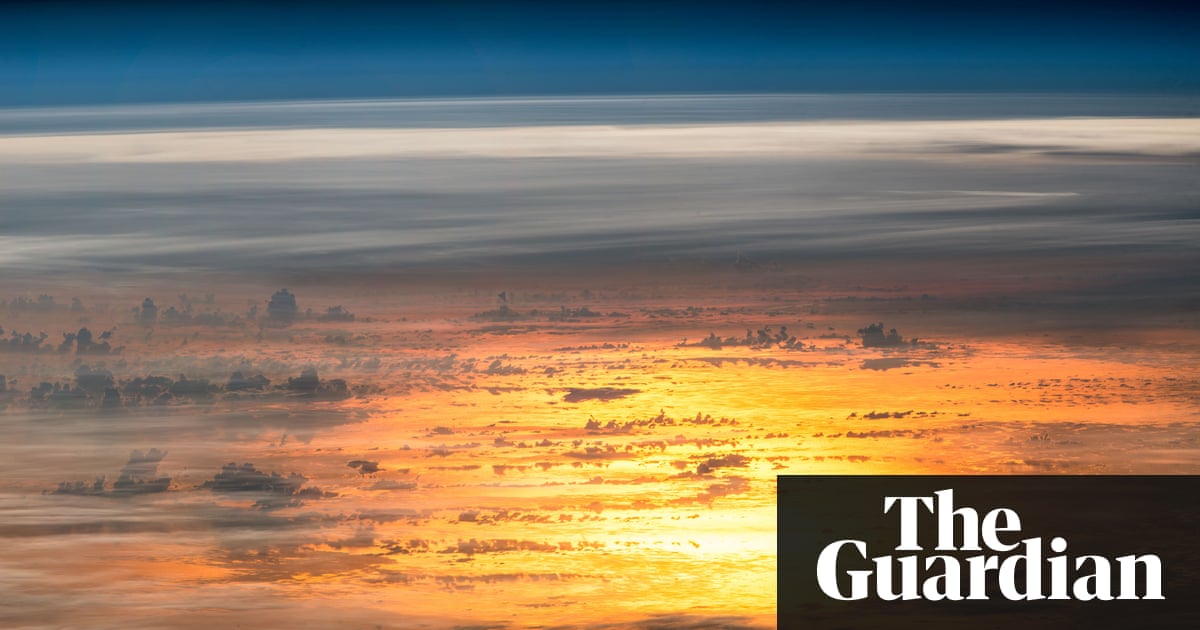
It sounds like the stuff of science fiction: the creation, using balloons or jets, of a manmade atmospheric sunshade to shield the most vulnerable countries in the global south against the worst effects of global warming.

But amid mounting interest in “solar geoengineering” – not least among western universities – a group of scientists from developing countries has issued a forceful call to have a greater say in the direction of research into climate change, arguing that their countries are the ones with most at stake.

https://www.theguardian.com/global-development/2018/apr/05/scientists-suggest-giant-sunshade-in-sky-could-solve-global-warming

Header photo by Artur Dyadchenko on Unsplash

Venus: Rich Atmosphere Could Host Microbial Life

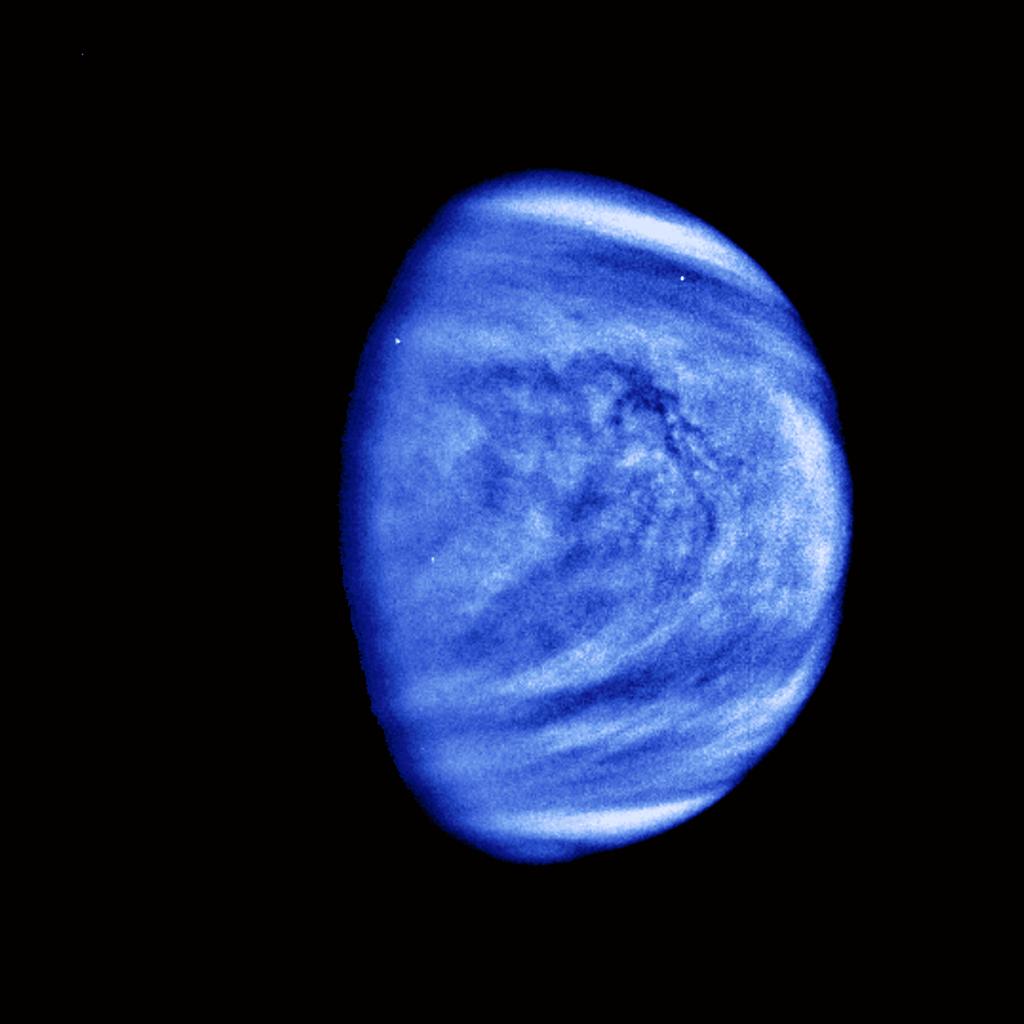
A new study from an international team of scientists proposes that microbial life could exist in the clouds of Venus. The exciting hypothesis suggests mysterious dark patches seen in the atmosphere could be something akin to algae blooms seen in oceans on Earth. …..

Around 30 miles (48 km) above the planet’s surface is a lower cloud layer with temperatures around 60° C (140° F) and pressures similar to that of Earth (unlike the planet’s surface with a pressure of 90 atmospheres, equivalent to the pressure felt over a half a mile beneath the ocean). It’s not impossible to think that microbial life could exist in this atmospheric Goldilocks zone, after all, here on Earth microorganisms have been found alive at altitudes as high as 25 miles (41 km).

In addition to these incredibly suitable environmental conditions, it’s a strange and inexplicable atmospheric phenomenon that is really driving the hypothesis. As long as we have had telescopes good enough to observe Venus in detail, we have witnessed mysterious dark patches moving through its atmosphere. These dark patches seem to be composed of sulfuric acid, alongside unknown particles that absorb ultraviolet light.

“Venus shows some episodic dark, sulfuric rich patches, with contrasts up to 30–40 percent in the ultraviolet, and muted in longer wavelengths,” says planetary scientist Sanjay Limaye. “These patches persist for days, changing their shape and contrasts continuously and appear to be scale dependent.”

Original article at Astrobiology
Header photo: NASA


Robot ‘Bees’ For Mars Exploration

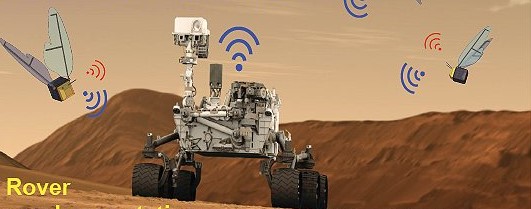
NASA has announced that it has awarded funding to a combined team of researchers from the University of Alabama and an unnamed team in Japan for development of a new kind of Mars explorer. The project team has been awarded $125,000 to develop what NASA calls Marsbees: a swarm of robot bees that could fly in the thin Martian atmosphere and deliver information from their sensors.
Marsbees would be a swarm of “bumblebee size” flapping robots that could cover a far greater distance (with a lot less effort) than a rover could. But that doesn’t mean a rover would be left out: a rover would serve as a recharge station and main communications hub for the bees.
(Header image courtesy NASA)


This Library of Academic Papers Lives in Kazakhstan

Piracy? Or progress?

“SCIENCE’S PIRATE QUEEN
Alexandra Elbakyan is plundering the academic publishing establishment
[Sci-Hub has been] transforming it into the largest Open Access academic resource in the world. In just six years of existence, Sci-Hub had become a juggernaut: the 64.5 million papers it hosted represented two-thirds of all published research, and it was available to anyone.

But as Sci-Hub grew in popularity, academic publishers grew alarmed.”

https://www.theverge.com/2018/2/8/16985666/alexandra-elbakyan-sci-hub-open-access-science-papers-lawsuit

https://en.wikipedia.org/wiki/Sci-Hub