Well, it was interesting for three years…
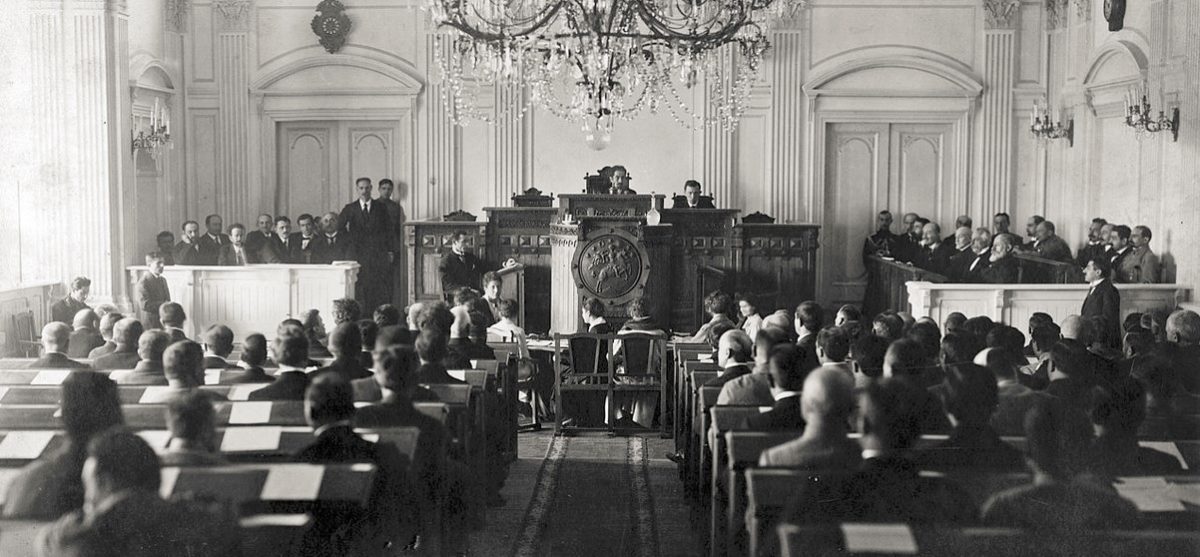
Bordered by Russia, Turkey, Armenia and Azerbaijan, Georgia had rarely enjoyed genuine independence. But the collapse of czarist Russia and the Bolshevik takeover gave Georgia’s Marxist leaders the opportunity both to assert their country’s independence and to develop an alternative to the Bolsheviks’ extreme one-party dictatorship. Their experiment lasted three years. As Lee reminds us, this Menshevik-dominated government backed free elections, freedom of the press, an independent judiciary, parliamentary rule and free trade unions. Perhaps its most impressive achievement was to carry out agrarian reform, allowing peasants to buy land at reasonable prices and not resorting to the catastrophic forced collectivization the Bolsheviks later employed. Visiting Georgia, a Western socialist like Karl Kautsky could declare it the “antithesis to Bolshevism.”
From Cooperative News: In 1916, on the eve of revolution, there were 199 consumer co-ops in Georgia. By 1919, that number had grown to 989. By 2020, one in three of these co-ops owned its own building, a sign of growing economic success. Producer co-ops were also on the rise, from a silk factory, sausage factory and soap factory through to an engineering works, brickworks and tile works.
Financial co-operatives also spread, with a membership of 150,000 by the end of 1917, accelerated with the founding of a Co-operative Bank the following year. In rural villages, private traders declined, on one survey from 2,071 to 1,479, as co-operatives moved “to take the places vacated by private capital”.
The Co-operative Union, Tsekavschiri, created an education department in 1920, to spread the ideas of co-operation. In his 1922 book on the co-operative movement in Georgia, J. Tsagareli wrote that “the people have been taught by their own experience and practice what co-operation is capable of achieving, and what it was able to accomplish under the most trying conditions.”
From The Experiment: Georgia’s Forgotten Revolution 1918-1921, Eric Lee, Zed Books
More on the Georgian revolution: Democratic Republic of Georgia – Wikipedia
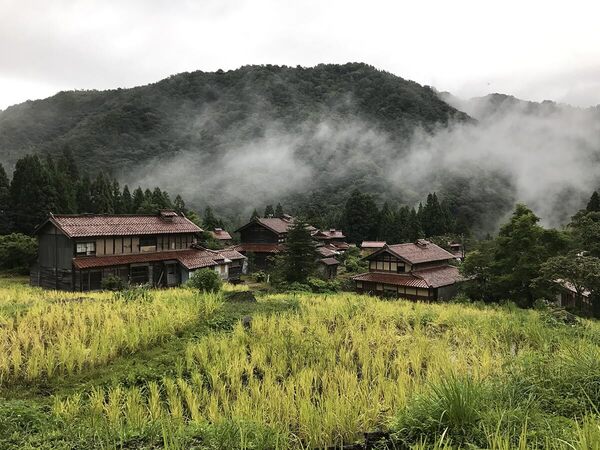
Image courtesy Wikipedia.