SOCIETY

Posts in "Society"

Indigenous Engineering in Australia

These efforts have been around for thousands, if not tens of thousands, of years. Wow.


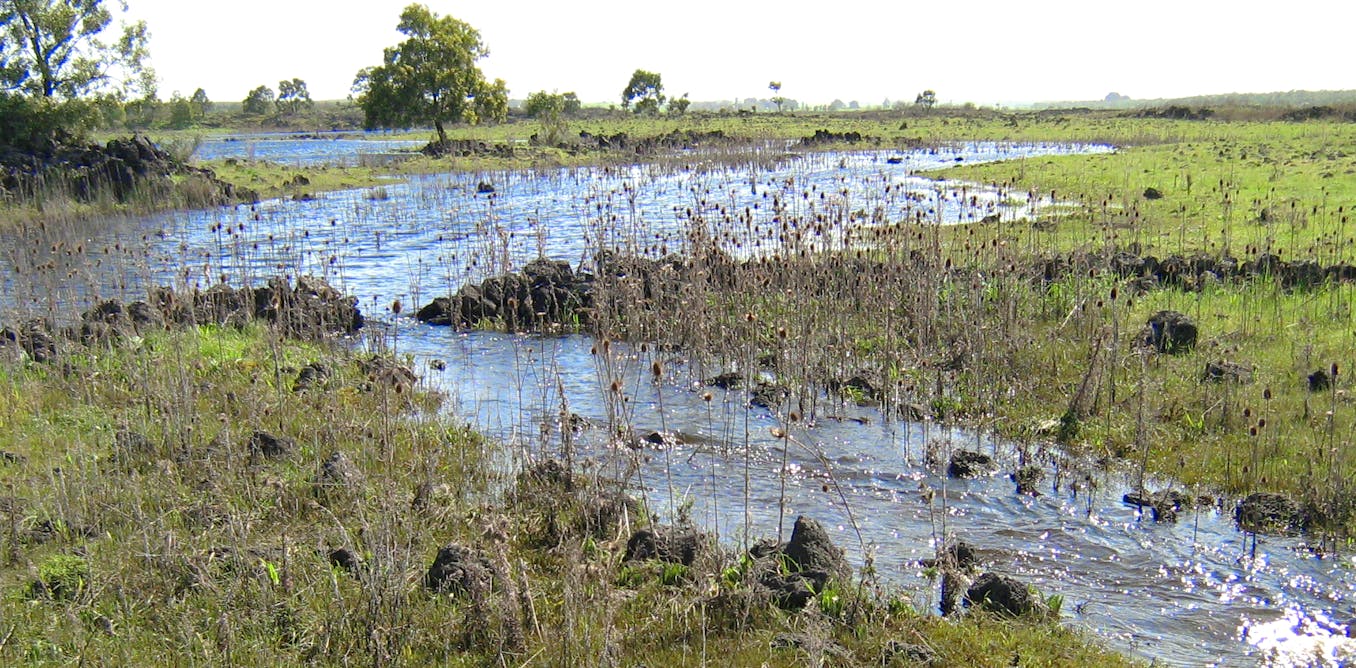
In the 1840s, the eel traps of Budj Bim were described as the work of ‘civilized men’. But it took another 135 years for more appreciative European eyes to examine the complexity of western Victorias Aboriginal fishery.

Rather than living passively off whatever nature provided, the Gunditjmara actively and deliberately manipulated local water flows and ecologies to engineer a landscape focused on increasing the availability and reliability of eels.

Manipulation of the landscape involved stone structures (such as traps and channels) dating back at least 6,600 years. Eel aquaculture facilities (ponds and dam walls) pre-date contact with Europeans by many hundreds (and possibly thousands) of years.

As Lourandos pointed out more than three decades ago, and Bruce Pascoe reveals in his recent award-winning book Dark Emu, differences between hunter gatherers and cultivators, and foragers and farmers, are far more complex and blurred than we once thought.

https://theconversation.com/the-detective-work-behind-the-budj-bim-eel-traps-world-heritage-bid-71800

And there’s much, much more to explore and celebrate:


Courtesy ‘Merki’ this week on Twitter’s ‘IndigenousX‘ rotating account. (Follow!)

Header photo by Christopher Burns on Unsplash


Sex, Death and Dementia

Tasmania’s experimental Mona gallery is collaborating on the design of a care village for the elderly.
Australia’s first “dementia village” will be sited just outside the Tasmanian capital Hobart. Everything about the design of the village, Korongee, will be dementia-friendly. the 12 or so homes will be built on cul-de-sacs to keep the feel of local streets, and the businesses – including a cinema, supermarket and beauty salon – will be staffed by 350 people with dementia training.

Header photo: Matthew Bennett on Unsplash

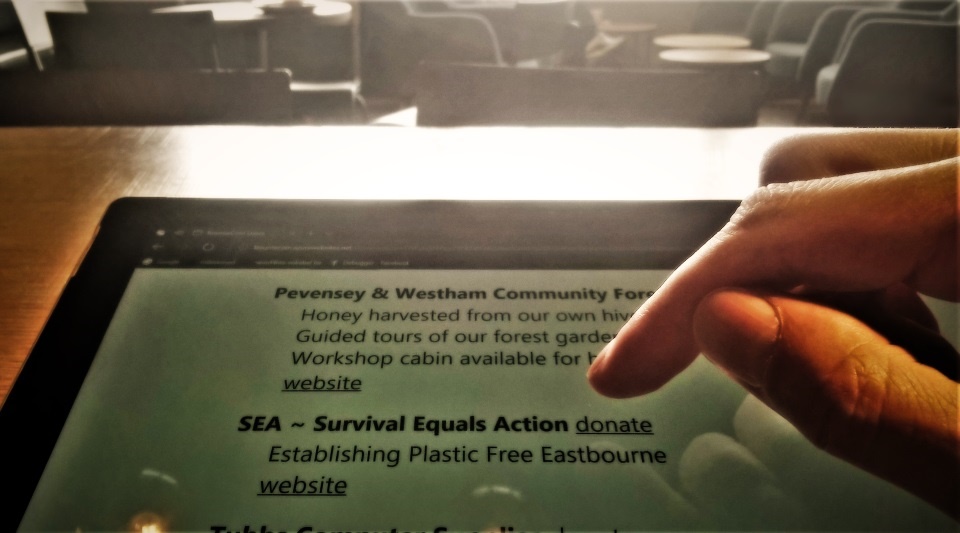
BourneCoin: Eastbourne, UK joins neighbors in issuing Community Currency

BourneCoin began as an experiment, when a tiny group of Eastbourne residents decided to create a town money. The idea was to stimulate the local economy and encourage wealth to stay in the area.
 
 “A flagship workshop with designers and users in the Towner Art Gallery reflected and celebrated the birth of something new in town: a local currency with the potential to facilitate all sorts of formerly hidden and isolated activities in the community.”
 
The project aims to create a local community currency in Eastbourne and surrounding areas, stretching to Brighton, Uckfield, Lewes, and Hastings. Organisers say it will be in digital form and in printed notes, and being a local platform, they argue it will allow people to ‘take back control’ of their data.

Asgardia’s First Elections

Trouble in paradise? Fledgling orbital colony Asgardia has a shoebox sized satellite in orbit, but is already conducting some contentious elections.

Who knew establishing a parliament in space would be so complicated? Certainly not the self-described “Space Kingdom” of Asgardia. The group, which calls itself the first ever global “space nation,” has some lofty goals: “to ensure the peaceful use of space, to protect the Earth from space hazards, and to create a demilitarized and free scientific base of knowledge in space.”


Prison In Norway: A Different Model

Norway has a… different approach to prisons.

Norway saw a decrease in recidivism rates after they began treating inmates more humanely. North Dakota is adapting the same to make a dent in prison reform.


Most recently, David Byrne has celebrated and contrasted Norwegian and USA prison systems in his ‘Reasons To Be Cheeful’ blog.

https://www.reasonstobecheerful.world/article/2018/3/15/prison-reform

Protopia: encouraging change rather than enforcing it

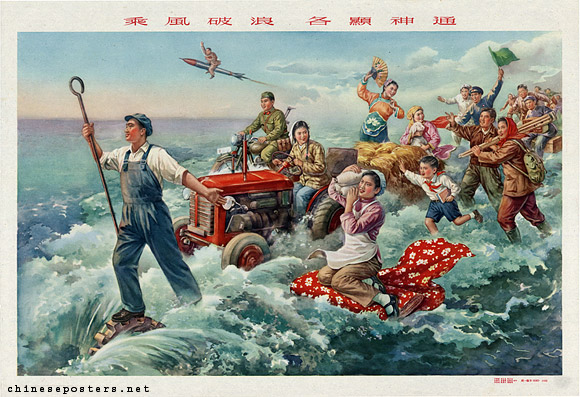
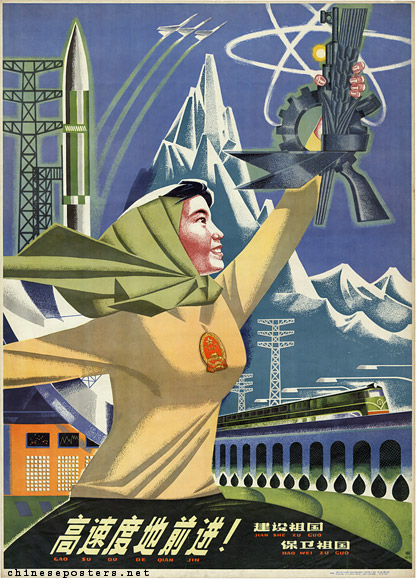
What, then, should replace the idea of utopia? One answer can be found in another neologism—protopia—incremental progress in steps toward improvement, not perfection. As the futurist Kevin Kelly describes his coinage:

Protopia is a state that is better today than yesterday, although it might be only a little better. Protopia is much much harder to visualise. Because a protopia contains as many new problems as new benefits, this complex interaction of working and broken is very hard to predict.

https://qz.com/1243042/utopia-is-a-dangerous-ideal-we-should-aim-for-protopia/

Image: Cai Zhenhua
Header Image: Wang Liuying ; Xin Liliang; Wu Shaoyun; Jin Zhaofang; Meng Muyi; Yu Weibo; Xu Jiping; Lu Zezhi; Zhang Biwu

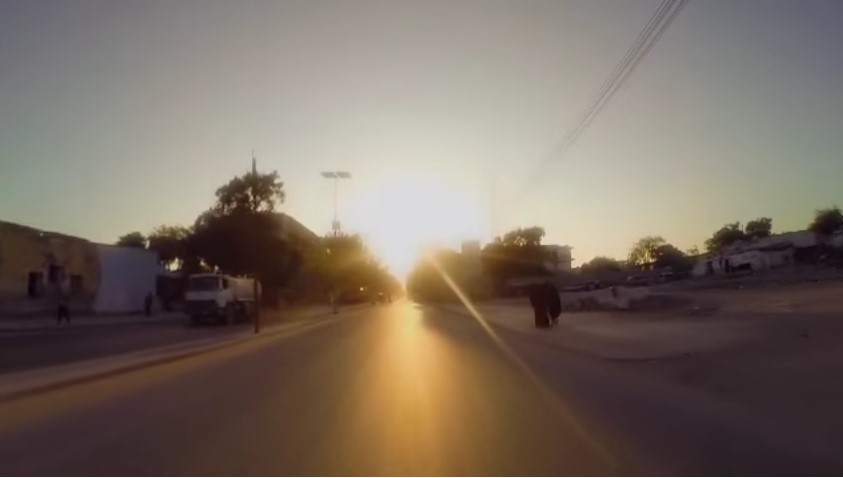
Inspire Somalia: Reality TV vs. Fundamentalist Insurgents


A different kind of reality TV show: in 2015 the UN’s “Inspire Somalia” aimed to use culture to increase Somalia’s fragile peace.

So far it’s been well-received. Some great tunes included in the podcast below! Time for a reprise?
Perhaps the ‘developed world’ can take some tips from ‘Inspire Somalia’ and similar reality shows such as ‘Integrity Idol‘.


Reality TV is popular around the world. It’s also roundly mocked as formulaic and contrived. But can that kind of fragile fantasy meaningfully influence the real world?

Podcast Transcript

Check it out for yourself: Facebook page, Twitter

Images courtesy Inspire Somalia, NPR

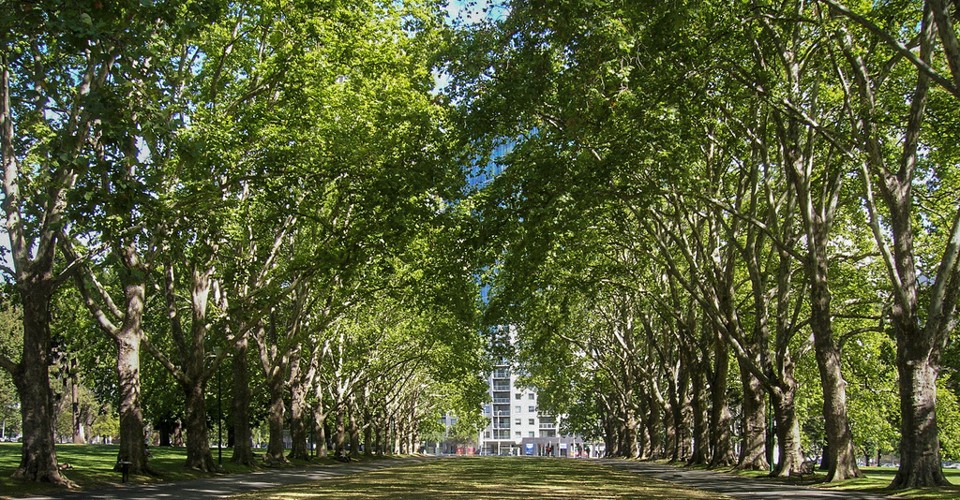
#TheInternetOfLivingThings: Melbourne Fans Email Love Letters To Their Local Park Trees

Space probes have Twitter acccounts, as do architecturally famous bridges and museums.  Cats. squirrels, goats, hedgehogs are stars on Instagram. Now Melbourne’s trees have emails.  Citizen-based monitoring/engagment with culture, art, and especially *nature* is one relatively positive side of the Internet of (Living) Things; a modern day reflection of what past cultures had seen as a spiritual engagement.  (Maybe we can get whales in on the social media game?)  From The Atlantic:
When the city of Melbourne linked email accounts to trees so people could report problems, they wrote love letters to the trees instead.
Officials assigned the trees ID numbers and email addresses in 2013 as part of a program designed to make it easier for citizens to report problems like dangerous branches. The “unintended but positive consequence,” as the chair of Melbourne’s Environment Portfolio, Councillor Arron Wood, put it to me in an email, was that people did more than just report issues. They also wrote directly to the trees, which have received thousands of messages—everything from banal greetings and questions about current events to love letters and existential dilemmas.

It’s a dynamic that is playing out more broadly, too, in concert with a profound shift toward the ubiquity of interactive, cloud-connected technologies. Modern tools for communicating, publishing, and networking aren’t just for connecting to other humans, but end up establishing relationships between people and anthropomorphized non-human objects, too. The experience of chatting with a robot or emailing a tree may be delightful, but it’s not really unusual.  

The move toward the Internet of Things only encourages the sense that our objects are not actually just things but acquaintances.

Photo courtesy Casey Horner on Unsplash


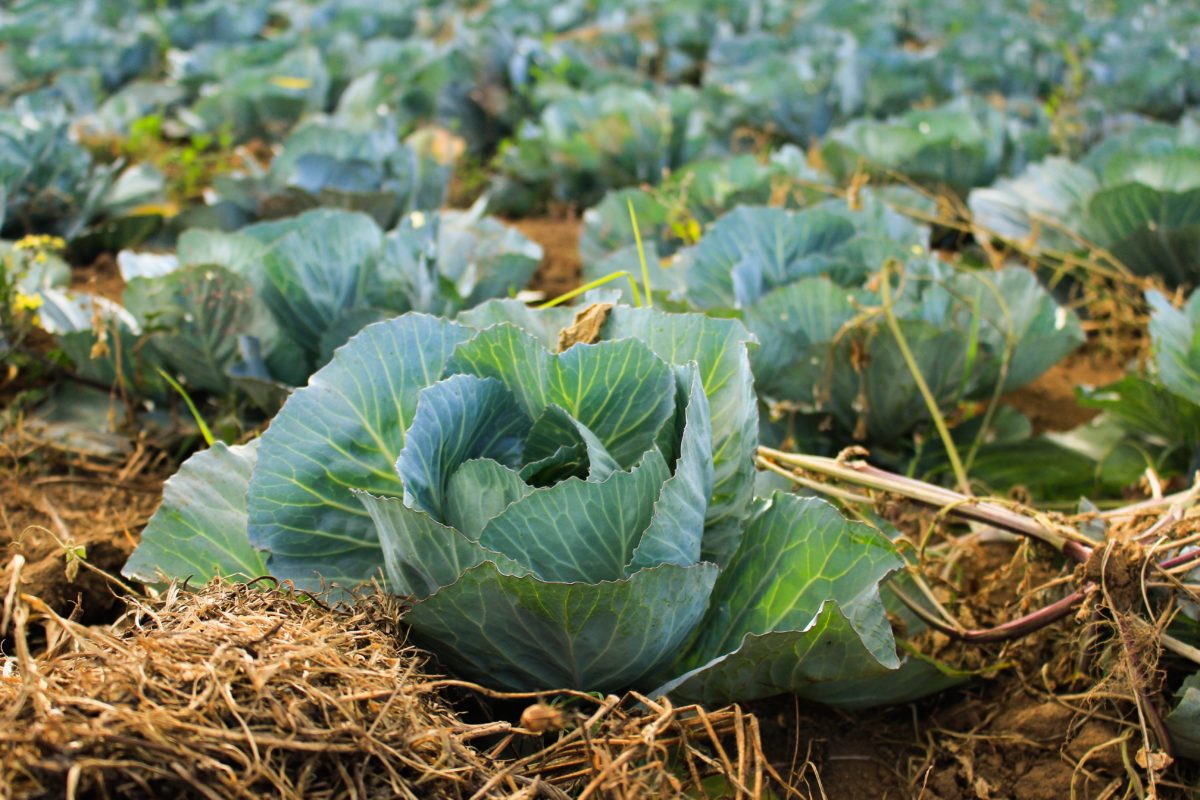
Story Hill Farms: A Place For Refugees to Harness Their Skills

“There’s still seedlings to be planted, winter storm waste to rid and tractors to be repaired, but those caring for the land at Story Hill Farm in Dunbarton are prepared to see both crops and business prosper come springtime.
At the 56.8 acre farm, 14 refugee farmers tend to their own plot of land, which are equally divided into sections. Through the Manchester-based nonprofit Organization for Refugee and Immigrant Success, refugees are able to farm their own crops and keep 100 percent of proceeds.”

…. “Refugee farmers of Somali Bantu, Rwandan, Burundi, Congolese and Bhutanese backgrounds have plots of farmland on Story Hill Road in Dunbarton.
The growers provide about 40 different crops that are consumed mostly by American customers and 20 different crops consumed mostly by members of the refugee community. Shopping the produce, customers will find zucchini, cucumber and arugula, as well as other vegetables native to the refugee’s home country.”

A Cooperative Farm for Refugees Joins the New Nonprofit Economy

More: http://refugeesuccess.org/fresh-start-farms

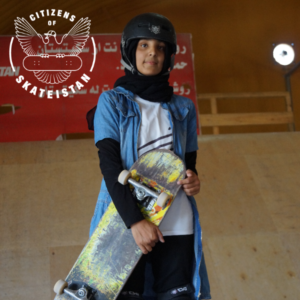
Citizens of Skateistan: Fahima

 Meet Fahima, 14-year old skateboarder/ youth leader. From Afghanistan. Wants to be a pro skateboarder.

“When I saw a skateboard for the first time, I thought it looked like an interesting tool for hobby. After a while, I realized that skateboarding is not only a hobby, it’s also a sport which is full of fun.

At Skateistan I have learnt many good things which are very important in my life and I have also made many good friends who are still my best friends. When I start coming to Skateistan, my brothers tried to stop me. They said you can’t join Skateistan as skateboarding is a tool that only boys can play with, not girls. That made me sad and confused, as I thought I was able to do skateboarding. Why did they not realize that girls are also able to do that kind of thing?” (Image courtesy Skateistan)

More:

https://medium.com/skateistan-mazar-e-sharif/citizen-profile-fahima-youth-leader-mazar-afghanistan-4ddbda834736