SOCIETY

Posts in "Society"

MicroNations: The Hip New Thing Down Under

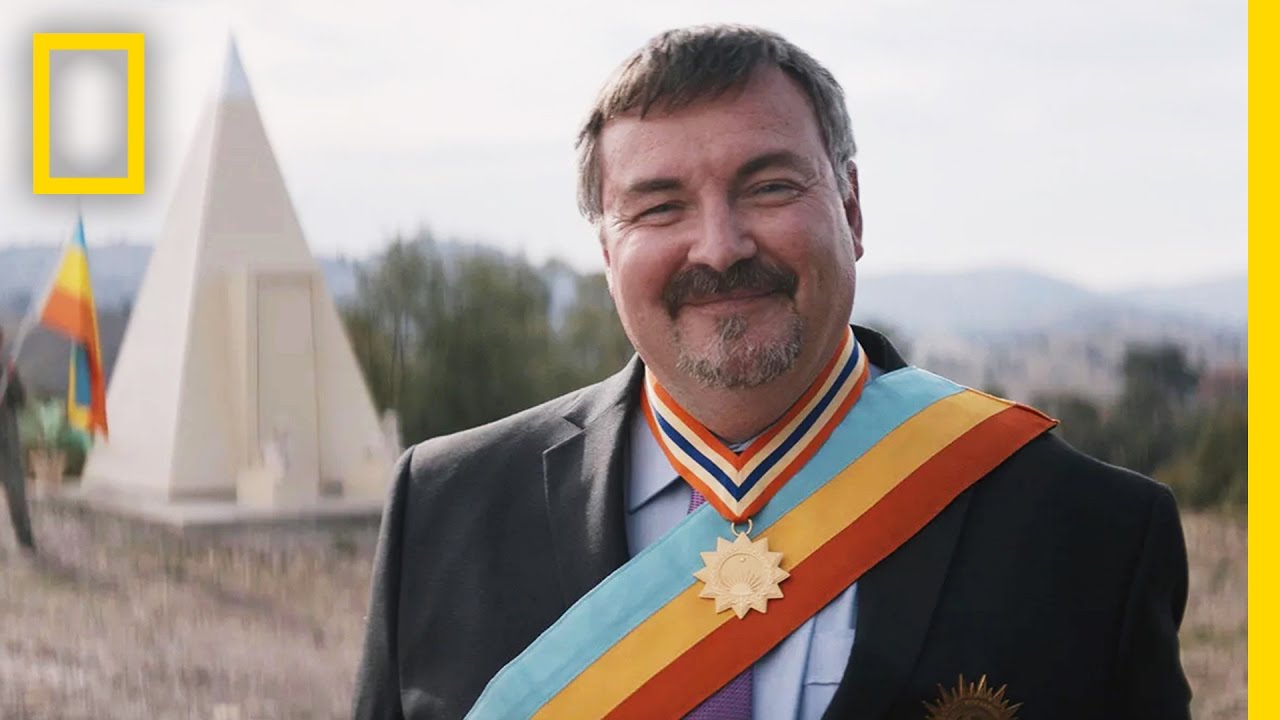
George Cruickshank is not your average emperor. At age 15, he carved out a piece of his mother’s backyard in New South Wales, Australia, and dubbed it the capital city of Atlantium. Thirty years later, His Imperial Majesty George II reigns over some 3,000 citizens scattered around the world. In this quirky short from director Craig Rasmus, take a journey to Australia’s smallest micro-nation—the empire of Atlantium.
Lounging on a sofa in his flowing robes, a gold crown resting on his snowy hair and a stuffed white toy tiger at his feet, Paul Delprat looks every bit a monarch.

Ruling from your home: Inside Australia's micronations boom


A Nightclub for Senior Citizens


Elderly Nightclub Fights Loneliness With Tea Parties ? And Raves!
Simon Casson got into the nightclub business in 1995, when he and a group of performance artists held an event in a south London pub. In the years since, this London-based Duckie, has brought his performance to backstreet pubs and posh theatres; traveling everywhere from Berlin and Greece to Tokyo and Australia.
With such a busy schedule, you wouldn’t think they have much time for people in their 60s, 70s, and beyond. But they decided to expand their operations back in 2011, when Simon’s mom moved to a new city at the age of 80 and found herself isolated.
He and his sister, Annie Bowden, came up with the idea of throwing her a vintage tea party and invited a couple of her elderly neighbors. A bigger party soon followed, and the idea gradually gelled into “The Posh Club”.

Mr. Rogers: “Radically Subversive”

 Fred Rogers’s worldview, a kind of humanism that had roots in Rogers’s Christianity but expressed itself as a commitment to everyone’s dignity, is what helped many navigate the scariest events of childhood (RFK’s assassination, the Challenger shuttle explosion). And the power of that worldview, the film suggests, doesn’t stop when childhood ends.

https://www.vox.com/summer-movies/2018/6/7/17433834/mister-fred-rogers-neighborhood-wont-you-be-my-neighbor-review

Launching Today: “Atlas Of Utopias” – real-world examples by Transnational Institute

Worldwide, mayors are increasingly a progressive and fearless voice advancing bold agendas on climate change, welcoming refugees and trialling new forms of democratic participation. …

Can a group of cities really offer any fundamental solutions to a crisis created by the immense power of corporate capital?

To try and answer this question, the Transnational Institute in 2017 launched Transformative Cities, asking communities to share their stories of radical transformation, in particular in the areas of water, energy and housing. With hundreds of examples, these are now arrayed in an ‘Atlas of Utopias‘. http://transformativecities.org/atlas-of-utopias/

The Atlas of Utopias is a global gallery of inspiring community-led transformation in water, energy and housing. It features 32 communities from 19 countries working on radical solutions to our world’s systemic economic, social and ecological crises. http://transformativecities.org/atlas-of-utopias/

TNI also asks you to VOTE for your favorite of many examples, for an award to be announced June 06! More to come.

(Courtesy Peer 2 Peer Foundation, Transnational Institute (TNI). Thanks to TNI for header, post images.)


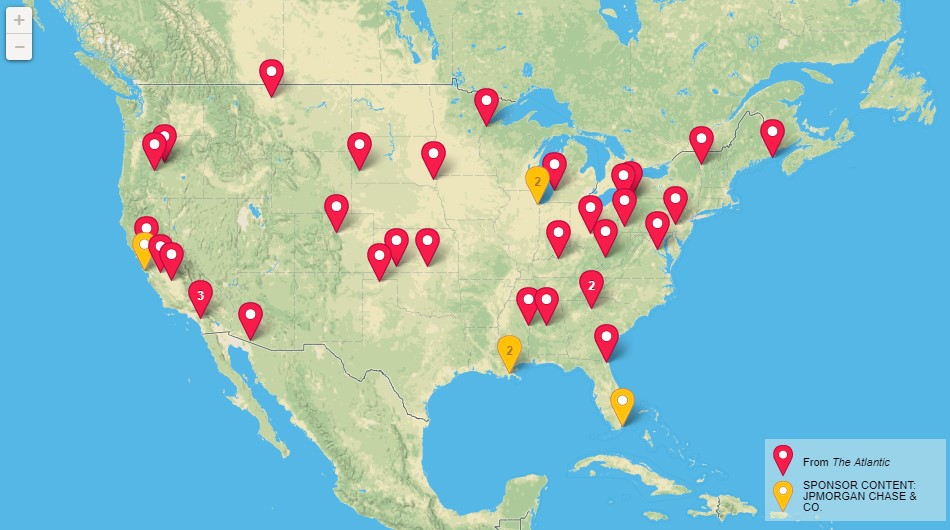
The Atlantic: “American Futures” series

A reporting project from the Atlantic: “American Futures”, cites Civic Governance, Talent Dispersal, Schools, Libraries, Manufacturing, Downtowns, and Conservation as positive change in the USA. A book is in process.

America is becoming more like itself again. More Americans are trying to make it so, in more places, than most Americans are aware. Even as the country is becoming worse in obvious ways—angrier, more divided, less able to do the basic business of governing itself—it is becoming distinctly better on a range of other indicators that are harder to perceive. The pattern these efforts create also remains hidden. Americans don’t realize how fast the country is moving toward becoming a better version of itself 
– James and Deborah Fallows, American Futures

www.AmericanFutures.org

Postal Banking for USA

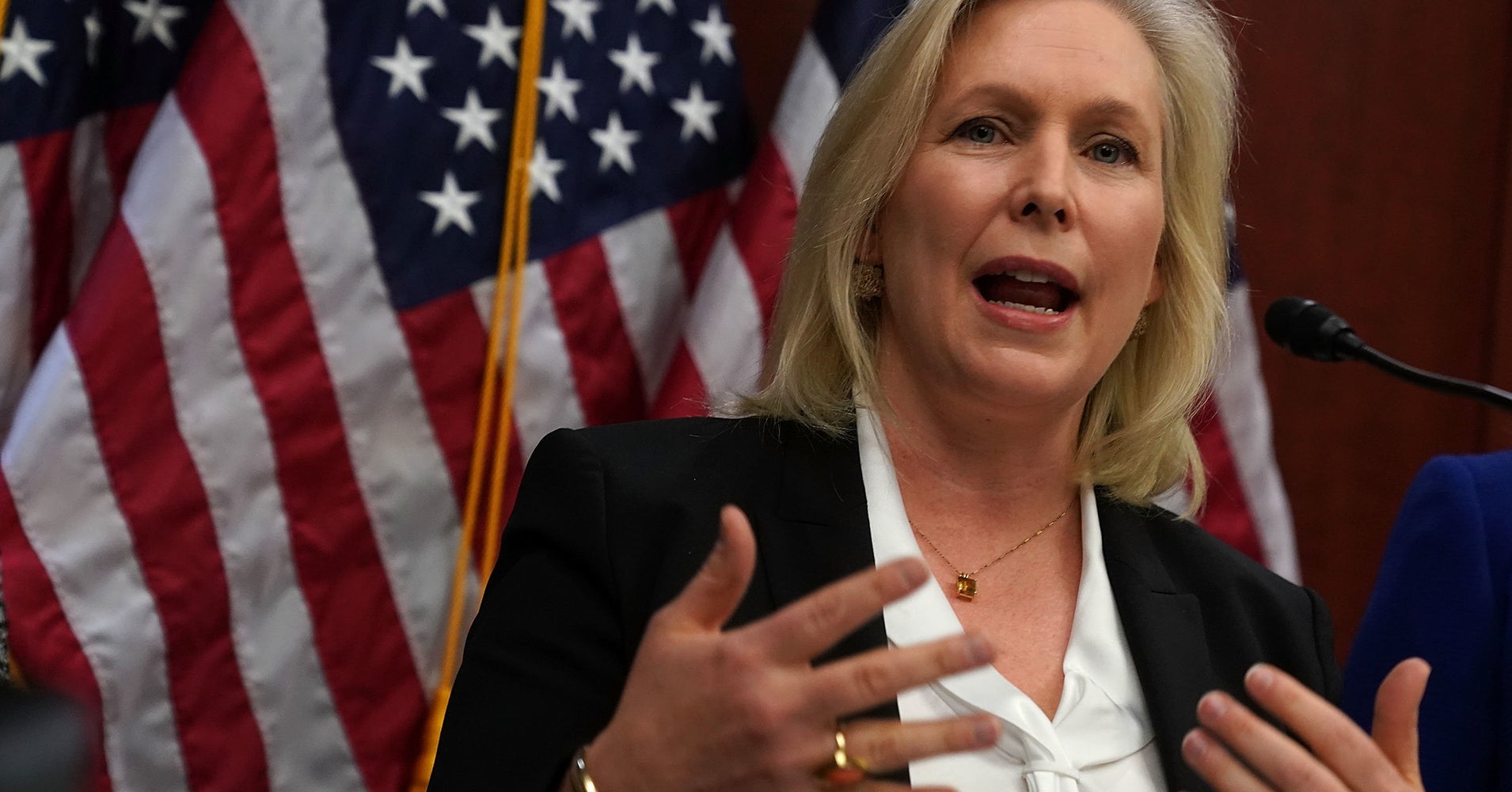
Under Gillibrand’s proposal, Americans could cash paychecks and deposit money in accounts free of charge at each post office location. Deposits would be capped at the larger of two amounts ― $20,000, or the median balance in all American bank accounts.

The postal banks would be able to distribute loans to borrowers of up to $1,000 at an interest rate slightly higher than the yield on one-month Treasury bonds, currently about 2 percent.

A postal banking system would be an alternative to the for-profit payday lending system, in which people routinely pay triple-digit fees to borrow money for bills that come due before their next paycheck. The average payday loan of $375 typically costs a borrower an additional $520 in interest and fees, according to Pew Charitable Trusts.

…

More than one-quarter of Americans households (34 million homes) are either “unbanked” ― meaning they lack someone with a bank account altogether ― or “underbanked” ― relying on payday loans or other so-called alternative lenders to supplement the services of a traditional bank.

Their predicament shows how expensive it is to be poor in America. The average underbanked household has an annual income of $25,500, and spends nearly 10 percent on alternative financial products and associated fees, according to a 2011 KPMG study.

Meanwhile, France’s Banque Postale moves to expand its services in 2019:

French state-owned Banque Postale, part of the French postal service, said on Tuesday it would launch its online bank “Ma French Bank” in spring 2019.
Header Photo by Tim Evans on Unsplash

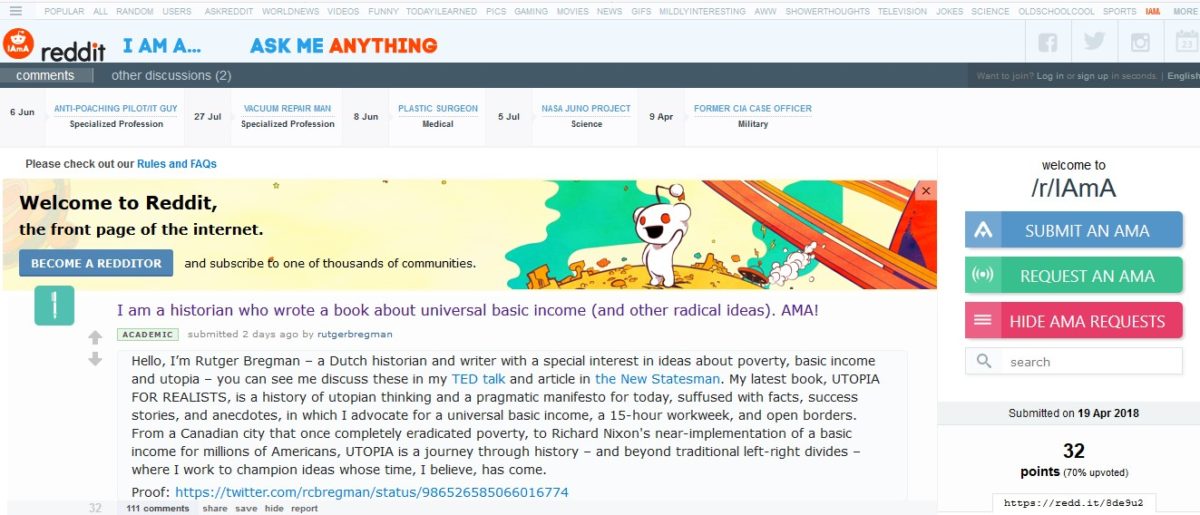
Reddit “Ask Me Anything” – Universal Basic Income Evangelist Rutger Bregman

Bubble readers may be familiar with Rutger Bregman, author of “Utopia For Realists” / economic policy wonk.

If you are, have a look at his recent “Ask Me Anything” Q&A on Reddit.

I am a historian who wrote a book about universal basic income (and other radical ideas). AMA! from IAmA

Catching up? Try this Ted Talk Video or Transcript.

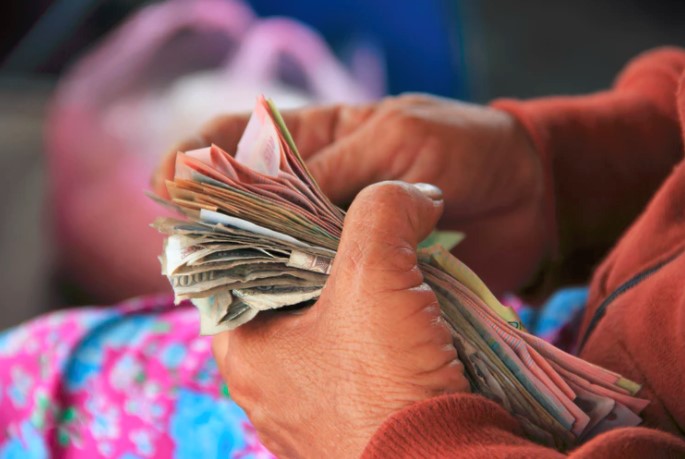
Stockton, California to provide Universal Basic Income to 100 citizens

Later this year, Stockton, a city in California with a 25% poverty rate, will conduct an unusual experiment: Roughly 100 of its citizens will receive $500 a month for 12-18 months, with no work requirements and no strings attached. Researchers likely will regularly assess the recipients? health, childcare arrangements, education, and general well-being in order to measure how this kind of financial leg up affects quality of life. The grant, from the Economic Security Project, is a privately funded experiment in “universal basic income,” a policy idea crafted from the premise that every citizen should receive a regular stipend from the government to cover their basic needs.

Header photo by Niels Steeman on Unsplash

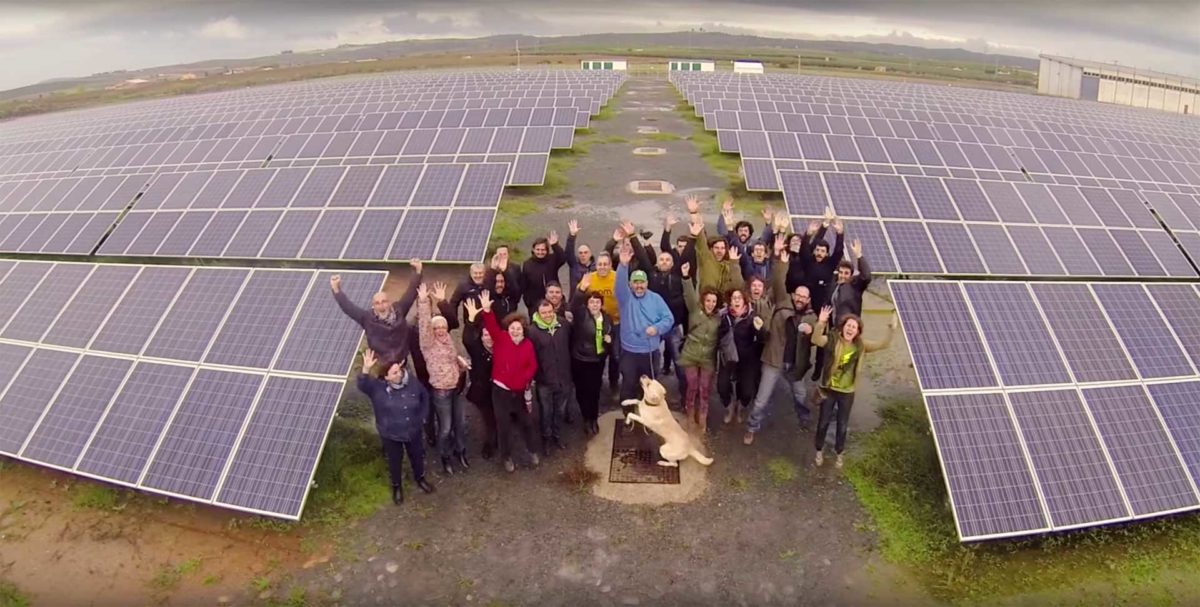
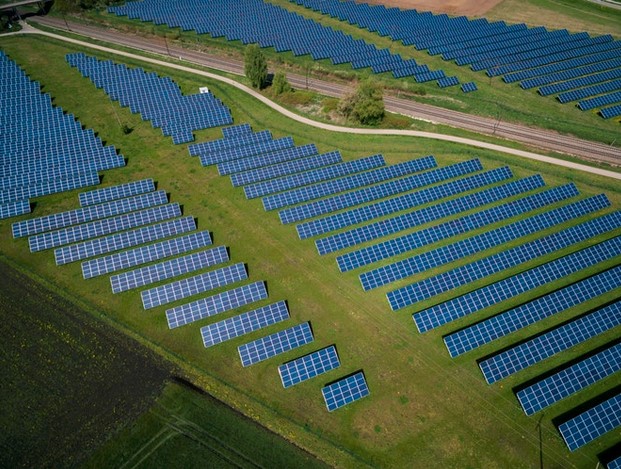
A Solarpunk Manifesto

Step aside, Cyberpunk, Steampunk: here comes Solarpunk.

Solarpunk intends to wrench science fiction from both Steampunk’s magical tech fantasies and Cyberpunk’s tech-gone-wrong. If the energy substrate of the Steam era was coal, and that of the Cyber era was oil, Solarpunk foreshadows and aims to anticipate environmental catastrophe by skipping to solar. As Solarpunk manifesto-writer Adam Flynn writes, if “steampunk is ‘here’s yesterday’s future that we wish we had,’” and “cyberpunk was ‘here is this future that we see coming and we don’t like it,’” then “Solarpunk might be ‘here’s a future that we can want and we might actually be able to get.’”

Thx BruceS/Wired; header photo by Andreas Gücklhorn on Unsplash