Norway, flush with oil money, is aware the boom won’t last. And one of the biggest fossil fuel C02 footprints? Commercial aircraft. So this is welcome research.
Norway pushes Electric Aircraft research
Norway, flush with oil money, is aware the boom won’t last. And one of the biggest fossil fuel C02 footprints? Commercial aircraft. So this is welcome research.
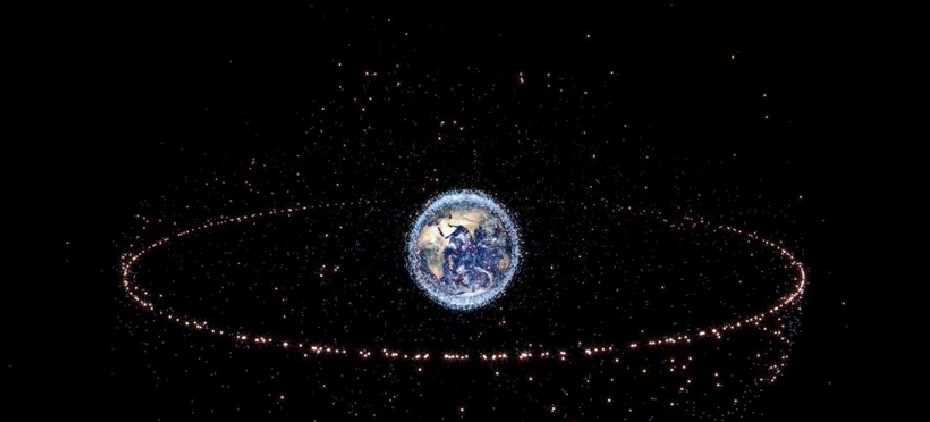
Trouble in paradise? Fledgling orbital colony Asgardia has a shoebox sized satellite in orbit, but is already conducting some contentious elections.
A lovely summary from BoingBoing:
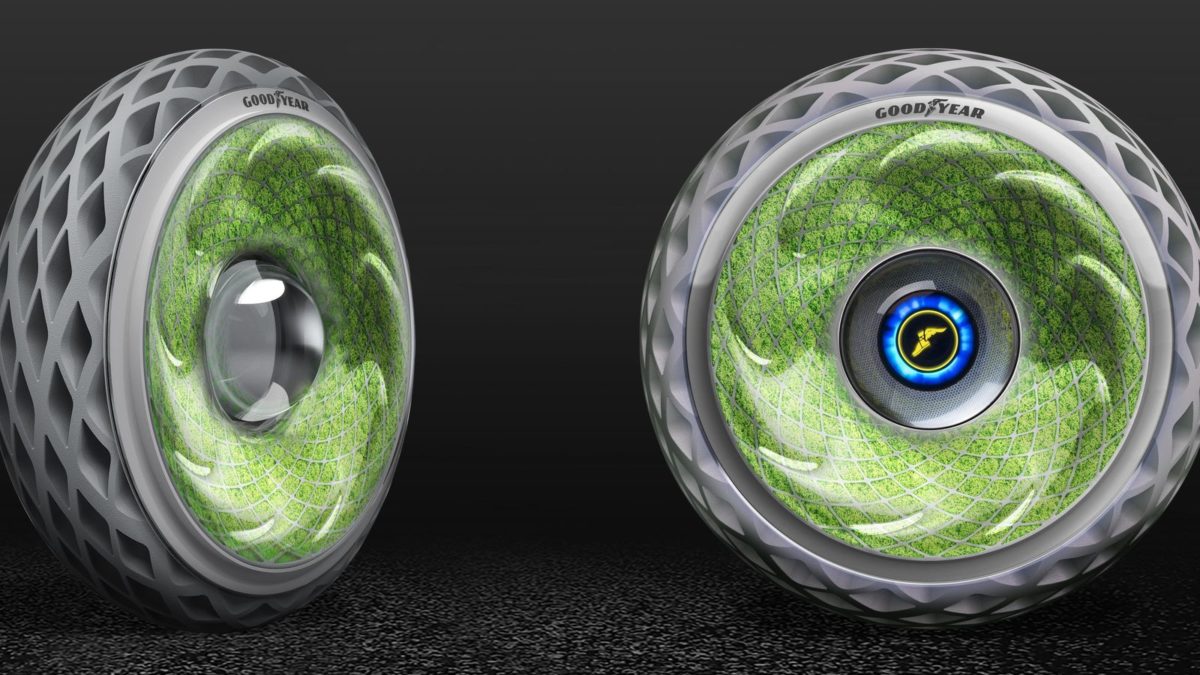
The company’s gone sort-of biotech, with living moss at the center of the tire. It draws in moisture from the road (not sure how that will fare in Arizona), eats CO2 and puts out oxygen — basically just doing what plants do. Goodyear estimates a that if every car in Paris had these tires, it would remove some 4,000 tons of CO2 each year. That’s equivalent to removing about 4,500 cars from the road there.
The plant-filled center is also biohacked to extract a small amount of electricity from photosynthesis.
… Going further, Goodyear imagines these tires would use something like Li-Fi to engage in vehicle-to-infrastructure communication.
[Not to be confused with the classic electronic music album by Jean-Michel Jarre.]
Munich video collective Kurzgesagt provides a little context on our short lives in this modest little video.
Norway has a… different approach to prisons.
Most recently, David Byrne has celebrated and contrasted Norwegian and USA prison systems in his ‘Reasons To Be Cheeful’ blog.
https://www.reasonstobecheerful.world/article/2018/3/15/prison-reform
From
“Auction and Antiquarian Catalogues“group on Facebook: Librarian Pulp Novels.

It sounds like the stuff of science fiction: the creation, using balloons or jets, of a manmade atmospheric sunshade to shield the most vulnerable countries in the global south against the worst effects of global warming.
But amid mounting interest in “solar geoengineering” – not least among western universities – a group of scientists from developing countries has issued a forceful call to have a greater say in the direction of research into climate change, arguing that their countries are the ones with most at stake.
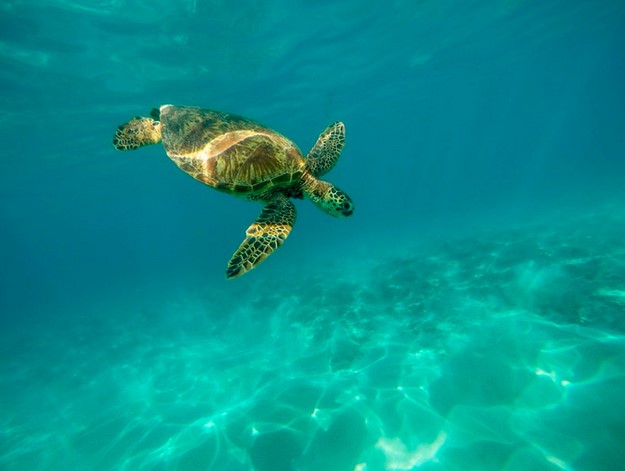
Header photo by Artur Dyadchenko on Unsplash
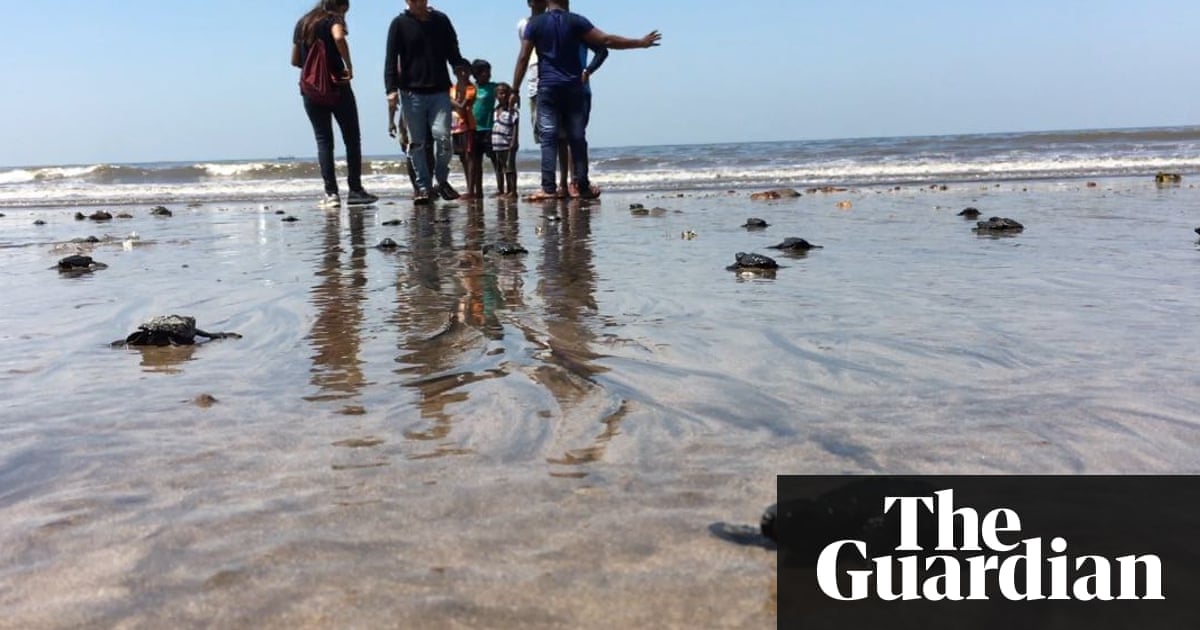
Hatchlings from a vulnerable turtle species have been spotted for the first time in decades on a Mumbai beach that was rejuvenated in the past two years by a massive volunteer cleanup operation.
At least 80 Olive Ridley turtles have made their way into the Arabian Sea from nests on the southern end of Versova beach in the past week, protected from wild dogs and birds of prey by volunteers who slept overnight in the sand to watch over them.
Versova has undergone what the United Nations has called the “world’s largest beach cleanup project” over the past two years, transformed from a shin-deep dump yard for plastics and rubbish to a virtually pristine piece of coastline.
Adidas designed its shoes alongside Parley with the Oceans, an initiative that strives to bring awareness of the ocean plastic problem to stakeholders and collaborate on projects that can improve the situation. Writing for Triple Pundit last year, Leon Kaye explained Adidas’ goal:
“Adidas says its work with Parley rests on a three-point strategy: avoid the use of virgin plastic, gather plastic waste from the environment when possible, and redesign footwear and apparel so that it is both sustainable and performs better.”

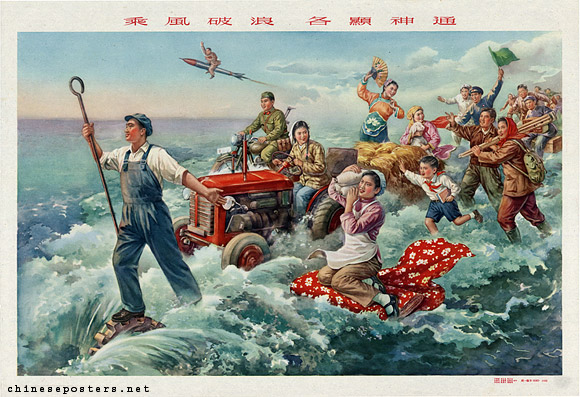
What, then, should replace the idea of utopia? One answer can be found in another neologism—protopia—incremental progress in steps toward improvement, not perfection. As the futurist Kevin Kelly describes his coinage:
Protopia is a state that is better today than yesterday, although it might be only a little better. Protopia is much much harder to visualise. Because a protopia contains as many new problems as new benefits, this complex interaction of working and broken is very hard to predict.
https://qz.com/1243042/utopia-is-a-dangerous-ideal-we-should-aim-for-protopia/
Image: Cai Zhenhua
Header Image: Wang Liuying ; Xin Liliang; Wu Shaoyun; Jin Zhaofang; Meng Muyi; Yu Weibo; Xu Jiping; Lu Zezhi; Zhang Biwu