Here’s one for all our Libertarian friends.
All images, video courtesy Kurzgesagt! (Support them on their Patreon if you like.)
Here’s one for all our Libertarian friends.
All images, video courtesy Kurzgesagt! (Support them on their Patreon if you like.)

It’s a dynamic that is playing out more broadly, too, in concert with a profound shift toward the ubiquity of interactive, cloud-connected technologies. Modern tools for communicating, publishing, and networking aren’t just for connecting to other humans, but end up establishing relationships between people and anthropomorphized non-human objects, too. The experience of chatting with a robot or emailing a tree may be delightful, but it’s not really unusual.
The move toward the Internet of Things only encourages the sense that our objects are not actually just things but acquaintances.


Watching cattle get brushed is… almost as much fun as they seem to be having!
You’re welcome.
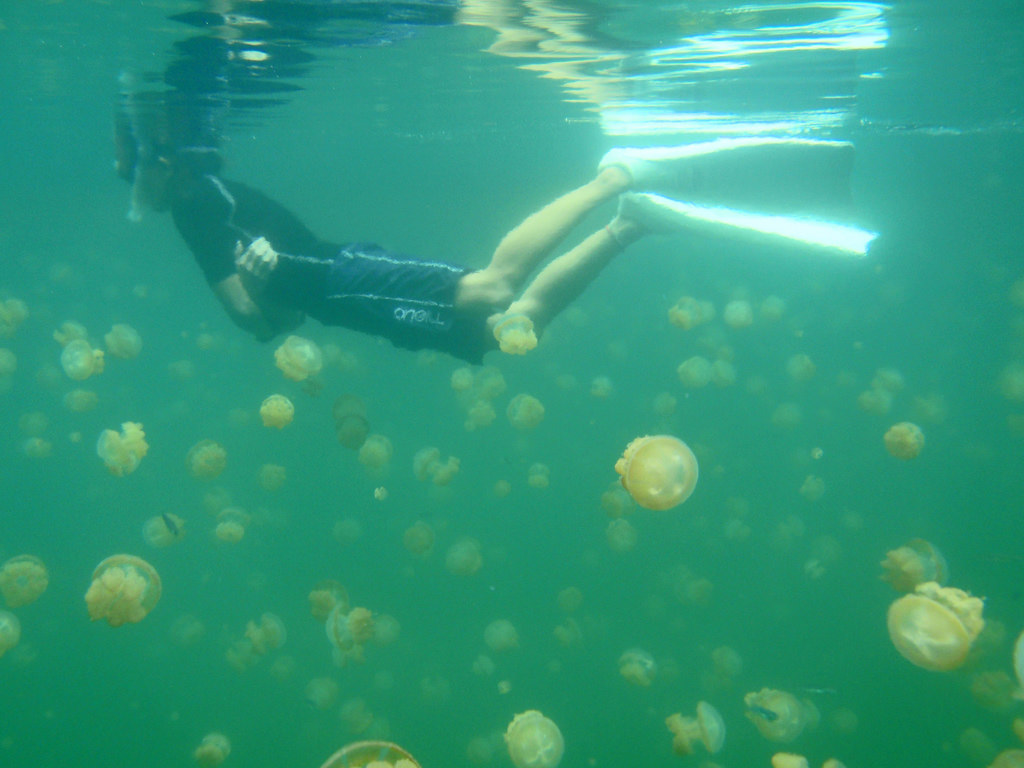


https://en.wikipedia.org/wiki/Jellyfish_Lake
More: http://www.fishnfins.com/v2/en/dive-sites/jellyfish-lake.html
Image ‘Snorkeling With Jellyfish‘ courtesy tata_aka_T

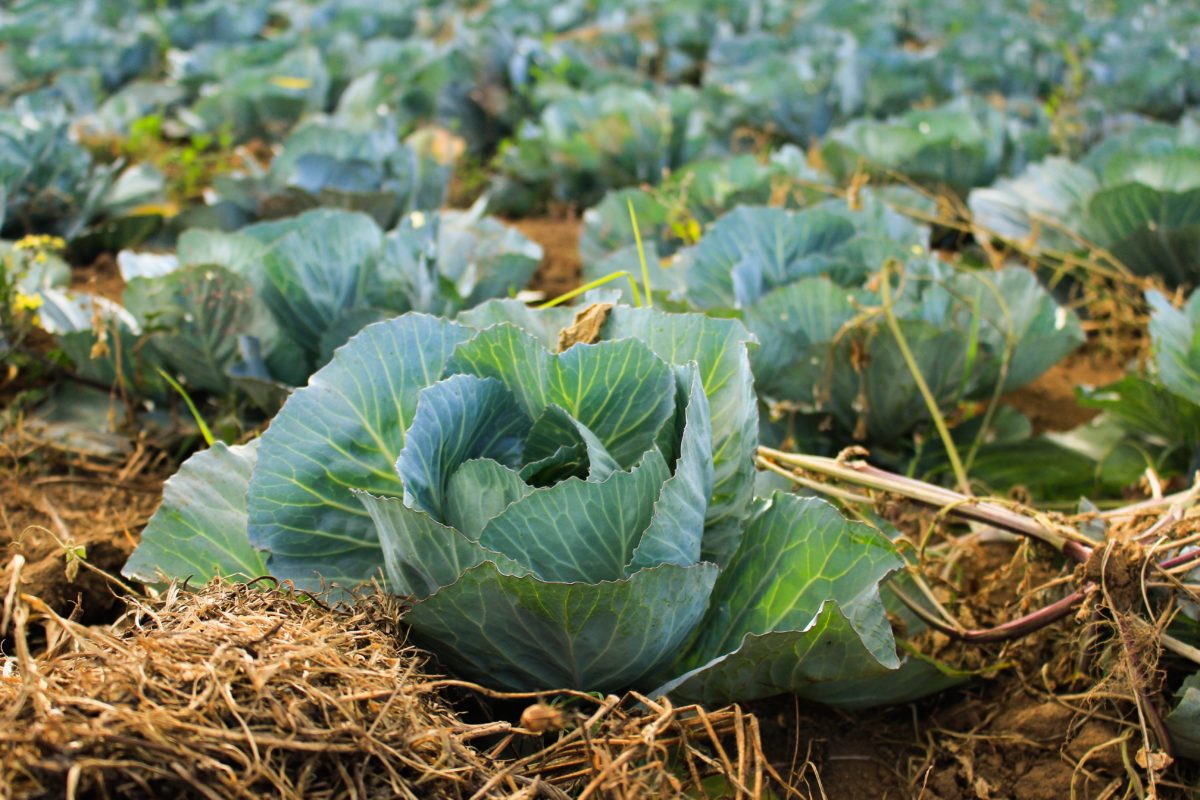
“There’s still seedlings to be planted, winter storm waste to rid and tractors to be repaired, but those caring for the land at Story Hill Farm in Dunbarton are prepared to see both crops and business prosper come springtime.
At the 56.8 acre farm, 14 refugee farmers tend to their own plot of land, which are equally divided into sections. Through the Manchester-based nonprofit Organization for Refugee and Immigrant Success, refugees are able to farm their own crops and keep 100 percent of proceeds.”
…. “Refugee farmers of Somali Bantu, Rwandan, Burundi, Congolese and Bhutanese backgrounds have plots of farmland on Story Hill Road in Dunbarton.
The growers provide about 40 different crops that are consumed mostly by American customers and 20 different crops consumed mostly by members of the refugee community. Shopping the produce, customers will find zucchini, cucumber and arugula, as well as other vegetables native to the refugee’s home country.”
A Cooperative Farm for Refugees Joins the New Nonprofit Economy


“When I saw a skateboard for the first time, I thought it looked like an interesting tool for hobby. After a while, I realized that skateboarding is not only a hobby, it’s also a sport which is full of fun.
At Skateistan I have learnt many good things which are very important in my life and I have also made many good friends who are still my best friends. When I start coming to Skateistan, my brothers tried to stop me. They said you can’t join Skateistan as skateboarding is a tool that only boys can play with, not girls. That made me sad and confused, as I thought I was able to do skateboarding. Why did they not realize that girls are also able to do that kind of thing?” (Image courtesy Skateistan)
More:


EEK! Solar powered ‘Super Monster Wolf’ robot protects Japanese Crops from wild boars

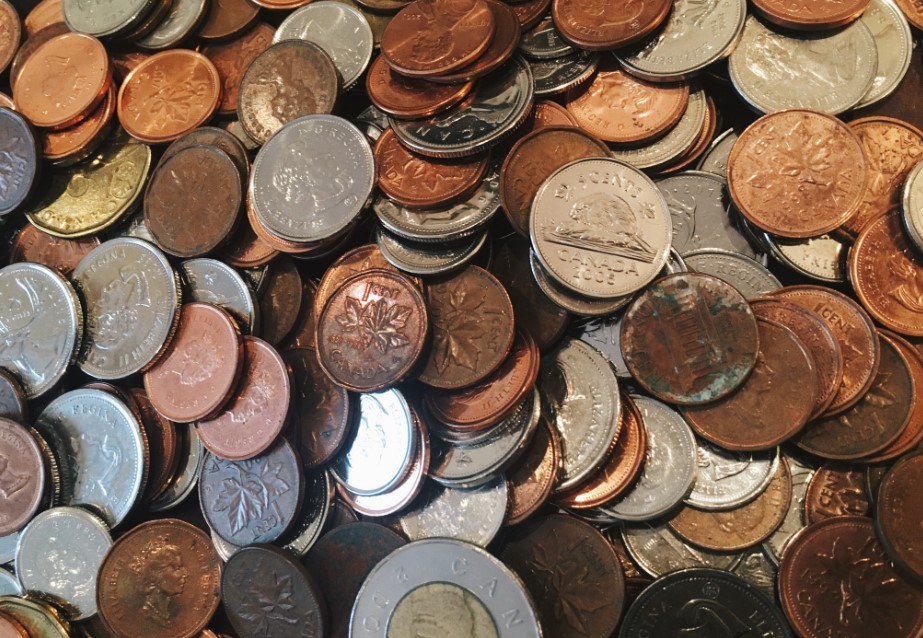

“There are an array of viable stakeholder oriented financial institutions ready to take the deposits of many individuals and businesses. Things get a little bit more tricky when we think about a city, like Seattle, divesting and reinvesting. Cities have financial needs that are not easily accommodated by the existing ecosystem of stakeholder oriented financial institutions. Broadly speaking, there are three possible solutions to the puzzle:
(1) making creative use of the existing system;
(2) creating new private institutions;
or (3) creating a new public bank.
Future writings will outline the detail how to explore options (1) and (2), but this post will discuss the public bank option. The public bank movement has been working for years in Vermont, is picking up steam in Oakland, and seems to be garnering quite a bit of focus from divestment activists.
The Public Bank Option
A public bank is a bank owned by a state or municipality. The idea has considerable potential. Let’s walk it.”
http://lastrealindians.com/divestment-and-solidarity-part-2-the-public-bank-option/

And of course, France has a ubiquitous postal banking system. Not impossible to do.
https://www.french-property.com/guides/france/la-poste-mail/banque-postale-bank/
La Banque Postale is the retail banking arm of La Poste who operate alongside the normal post-office counters, or as part of the same counter service.
The banking services offered by La Banque Postale are enjoyed by many millions of French citizens because they are generally less expensive than the main retail banks, they have an extensive branch network, and they are open on a Saturday morning (although this advantage is fast disappearing as some banks start the practice).
Most importantly, until 2009 they had a monopoly of the popular tax free savings account called “Livret A.”
(This monopoly was removed in January 2009, since when all banks are able to offer the product.)
La Banque Postale also offer mortgage services, with rates that are often below those of the main banks.
Nevertheless, their procedures in relation to non-French citizens still leaves room for improvement, and only those who can offer a secure and clear source of income will be accepted for a mortgage.
The bank also offers unsecured loans and a range of insurance products for health cover, and car and house cover.